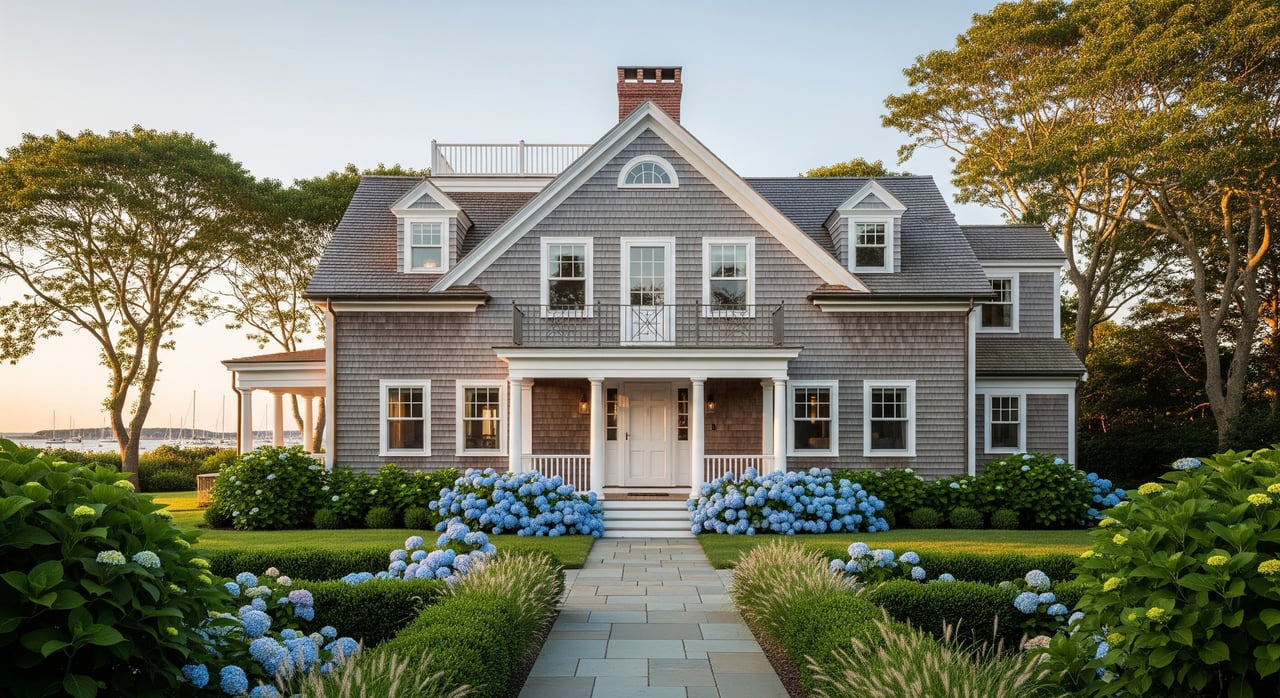
Love the curve of a widow’s walk or the crisp symmetry of a classic doorway? In Edgartown, history and design meet on every block, from harbor-facing captain’s houses to quiet cottage lanes. If you want a home with character and a plan for modern comfort, you’re in the right place. This guide shows you what to look for, how to live well in-town, and how to steward a historic property with confidence. Let’s dive in.
Why Edgartown’s historic core captivates
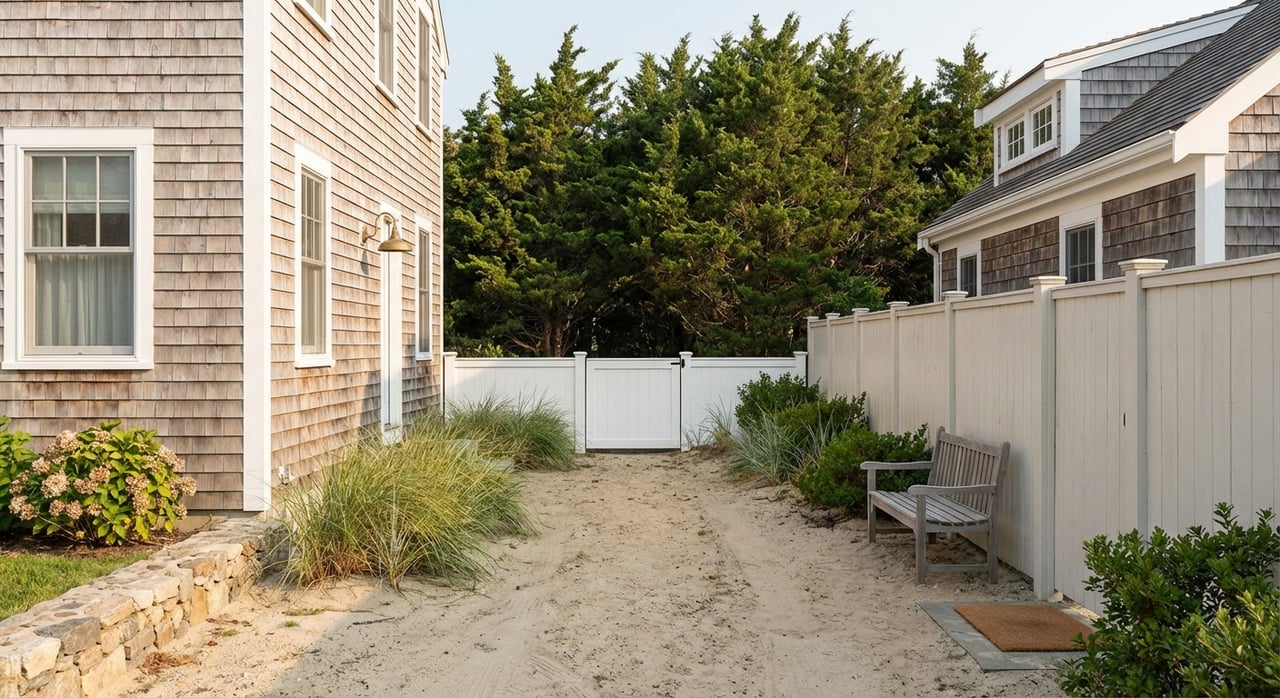
Edgartown grew in the 18th and 19th centuries as a seafaring and whaling port, and that legacy still shapes the streets you walk today. Large merchant and captain’s houses face the harbor and Main Street, while later cottages and Shingle Style summer homes fill in side streets. You see narrow lanes, modest setbacks, and harbor views woven into daily life.
Much of central Edgartown is within a local historic district where exterior changes typically require review by the Town’s Historic District Commission. When you plan work visible from a public way, expect to coordinate materials and details with the commission. Start your research with the Town of Edgartown’s Historic District resources and explore documented properties in the state’s MACRIS inventory for deeper context. For inspiration and history, the Martha’s Vineyard Museum offers helpful archives and exhibits.
Recognize the signature styles
Federal elegance
Federal-era homes often show balanced facades and refined trim. Look for narrow clapboard, elongated windows, central-hall plans, and front doors with fanlights and sidelights. Many larger examples are former captain’s houses set proudly along the harbor and main thoroughfares.
Greek Revival presence
Greek Revival homes borrow classical forms and give them a New England feel. You’ll notice pedimented gables, wide cornices, corner pilasters, and entry porches with square posts or columns. Entrances often include transoms and sidelights that bring more light inside.
Shingle Style ease
Late 19th-century summer houses frequently use continuous wooden shingles and asymmetric massing. Rooflines can be gambrel or complex, with generous porches and an easy flow to gardens. These houses feel relaxed and coastal, with an emphasis on texture and landscape integration.
Cape Cod and coastal cottages
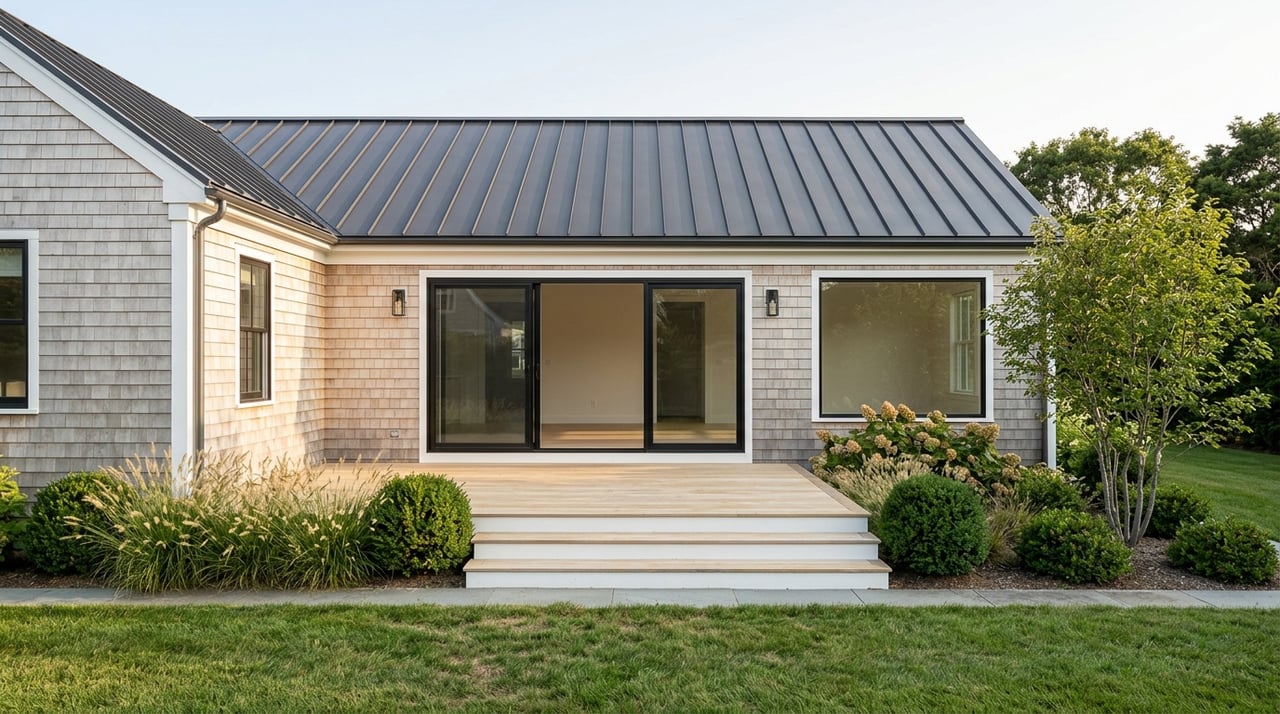
Cape-style and cottage homes are modest and timeless. Expect 1 to 1½ stories, simple gabled roofs, central or end chimneys, and either clapboard or cedar shingles. Many have been sensitively updated for year-round comfort while preserving historic exteriors.
Streetscape details that define place
- Close setbacks that create an intimate, human scale
- Brick or granite walks and curbs, paired with picket fences and low stone walls
- Carriage houses and outbuildings adapted as garages or studios
- Original sash windows, paneled doors with transoms, and decorative cornices
- Harbor-oriented porches and windows that frame water and boat traffic
To learn more about architectural features and best practices, browse resources from Historic New England.
How it feels to live in-town
Walkability is a daily luxury. Many homes sit within an easy stroll of the harbor, ferries, marinas, shops, and restaurants, which means you can leave the car at home more often.
Seasonality matters. Summer brings more people, more foot traffic, and a lively social rhythm along the wharves and side streets. If you prefer quieter months, you’ll enjoy the shoulder seasons when the village breathes easier.
Outdoor space is about quality over size. Porches, small gardens, and well-oriented windows shape your connection to light and air. Parking can be limited on small lots, so think about storage solutions and whether a historic outbuilding can be adapted to your needs.
Harbor proximity is both an amenity and a consideration. You gain scenic views and quick access to boating, along with salt air, wind, and potential storm exposure that drive maintenance plans.
Rules of the road: permits and preservation
If your property is in the historic district, exterior changes visible from a public way usually require a Certificate of Appropriateness from the Edgartown Historic District Commission. The focus is on scale, materials, proportions, and how alterations appear from the street.
Review zoning for setbacks, lot coverage, and use. Short-term rental rules are handled at the town level and can change, so confirm current requirements with Town Hall or a local attorney before relying on rental income. For historic context and previous approvals, check the MACRIS database of property records.
Maintenance and climate realities
Historic coastal homes are beautiful, but they ask for care. Salt air accelerates wear on paint, shingles, flashings, and metal. Routine tasks include wood repair, painting, window sash maintenance, roof and chimney upkeep, and targeted shingle replacement.
Flood and storm exposure vary by street and elevation. Before you buy, review the FEMA Map Service Center for current flood zones and consider requesting an elevation certificate. Pair that with long-range planning using the state’s Sea Level Rise Viewer to understand future exposure.
Insurance and financing can reflect coastal risk. Lenders or carriers may ask for mitigation like elevated utilities or storm shutters. If you are considering income-producing uses, the National Park Service’s Historic Preservation Tax Incentives explain how federal credits apply to qualifying projects. Owner-occupied single-family homes generally do not qualify for these credits.
Smart financing and insurance moves
Renovations can be financed a few ways, from traditional mortgages to specialized products. Some buyers explore renovation mortgages such as the FHA 203(k) program, which rolls repairs into a single loan. Review eligibility and terms through the HUD 203(k) program page and compare options with your lender.
Premiums for wind and flood can be higher near the water. An experienced agent and insurance broker can outline likely costs, mitigation steps, and how improvements may affect your long-term operating budget.
A design-respectful game plan
Due diligence before you offer
- Confirm whether the property sits in the historic district and review recent HDC decisions for similar homes
- Ask the seller for maintenance logs, past HDC approvals, and any elevation certificate or flood policy details
- Order inspections tailored to older homes: structural, roof and flashing, moisture, pest, and environmental hazards
- Search the MACRIS inventory for historical documentation that may inform your plans
Renovation priorities that age well
- Preserve original elements when feasible: windows, doors, moldings, and trim
- Use replacements that match historic profiles and materials where visible from public ways
- Upgrade comfort quietly: attic and basement insulation, interior storm panels, and ductless mini-splits for efficient heating and cooling
- Coordinate early with the HDC on any exterior work and document materials clearly
Lifestyle-driven design choices
- For second homes: favor low-maintenance exteriors, secure storage for beach and boating gear, and simple systems that perform during peak season
- For year-round living: prioritize insulation, right-sized heating, and winter-ready details for narrow streets and freeze protection
- For small lots: consider planted courtyards, screened porches, or discreet rooftop decks where appropriate and code compliant
For technical guidance and potential grant information, explore resources from Preservation Massachusetts and the National Park Service. These sources help you plan sensitive work and understand potential support for preservation.
Work with local, preservation-minded pros
Success in Edgartown is about respect for context and good documentation. Hire architects and contractors who understand historic details and local permitting. A team that speaks the language of proportion, joinery, and material compatibility will save you time.
Studio Realty blends that local fluency with a design-forward approach. Through our creative partnership with Morgan Studio, you can explore purchase options and envision a renovation that honors the house and your lifestyle. If you plan to host guests in-season, our Studio Stays program offers premium rental management that protects the property while optimizing hospitality revenue.
Ready to find or refine your in-town Edgartown home? Reach out to Studio Realty LLC for a private, design-focused consultation and a plan tailored to your goals.
FAQs
Can you modernize a historic Edgartown home without losing character?
- Yes. Interior modernization is usually flexible, while exterior changes visible from public ways typically require Historic District Commission review to align materials and proportions with the streetscape.
Are maintenance costs higher for in-town historic homes in Edgartown?
- Often yes. Salt air, specialty materials, and skilled trades add cost, but thoughtful upgrades like insulation and efficient HVAC can improve comfort and reduce long-term operating expenses.
What climate and flood risks should buyers consider near the Edgartown harbor?
- The main risks are coastal flooding, storm surge, and long-term sea level rise. Review FEMA flood maps and state sea level rise tools, and factor elevation and mitigation into your purchase and renovation plans.
Can you short-term rent a historic home in Edgartown to offset costs?
- Possibly. Short-term rental rules and licensing are set by the town and can change, so check current bylaws with Town Hall or a local attorney before assuming rental income.
Do historic tax credits apply to an owner-occupied single-family home in Massachusetts?
- Generally no. Federal and many state historic rehabilitation credits are geared to income-producing properties. Confirm current programs and your eligibility with preservation agencies and a tax advisor.