Does Edgartown ever feel like five different towns depending on which road you take? You are not imagining it. From the brick sidewalks of the village to the windswept flats of Katama and the quiet ponds on the north shore, each pocket lives differently. If you are buying, understanding these micro-neighborhoods helps you focus fast, avoid missteps, and land a home that fits how you plan to live. Let’s dive in.
How Edgartown is organized
Edgartown packs a lot into a compact map. You have a dense, walkable historic center, open coastal plains to the south, pond and harbor edges to the north, and large rural zones that protect the landscape. Chappaquiddick sits just offshore as a separate landform connected by a small ferry.
Conservation land shapes what you can buy and how you use it. Being near places like Mass Audubon’s Felix Neck or The Trustees’ working farm at Katama offers trails and open views, but it also means less private development around you. If nature access matters, keep these preserves on your short list. You can preview Felix Neck’s setting on the Mass Audubon page for Felix Neck Wildlife Sanctuary and see Katama’s farm campus at The FARM Institute.
Micro-neighborhoods at a glance
Edgartown Village
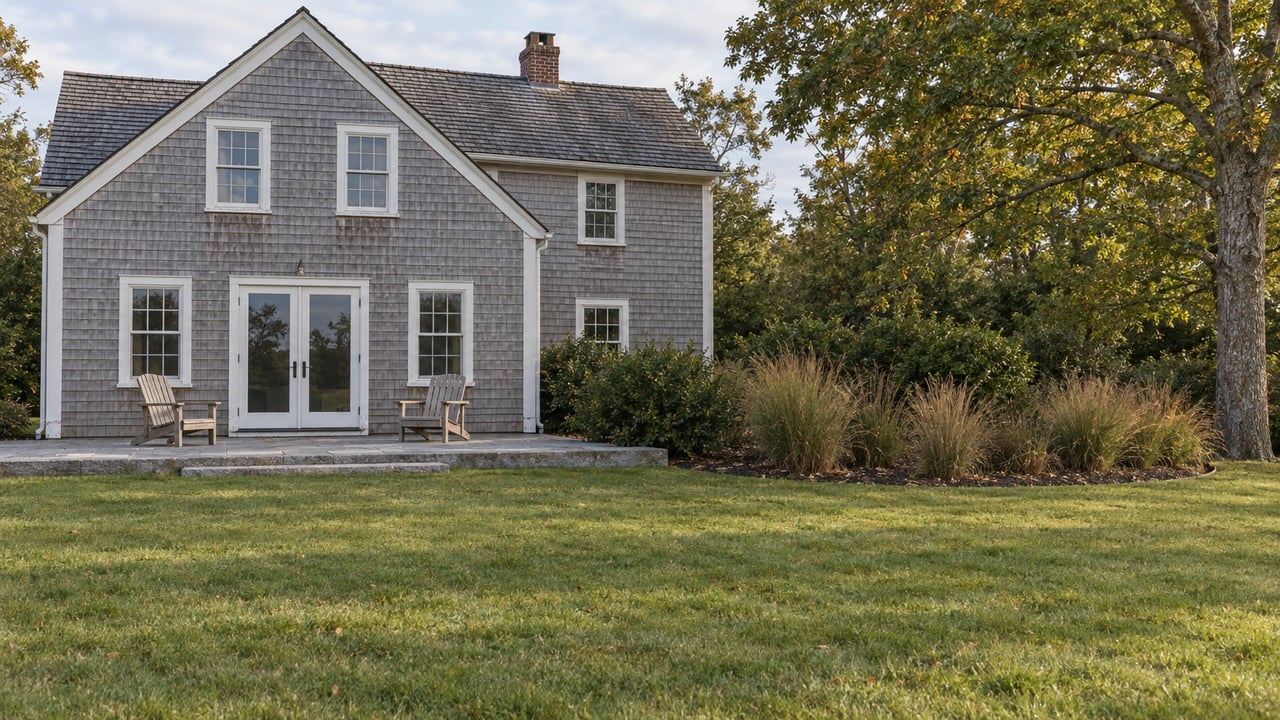
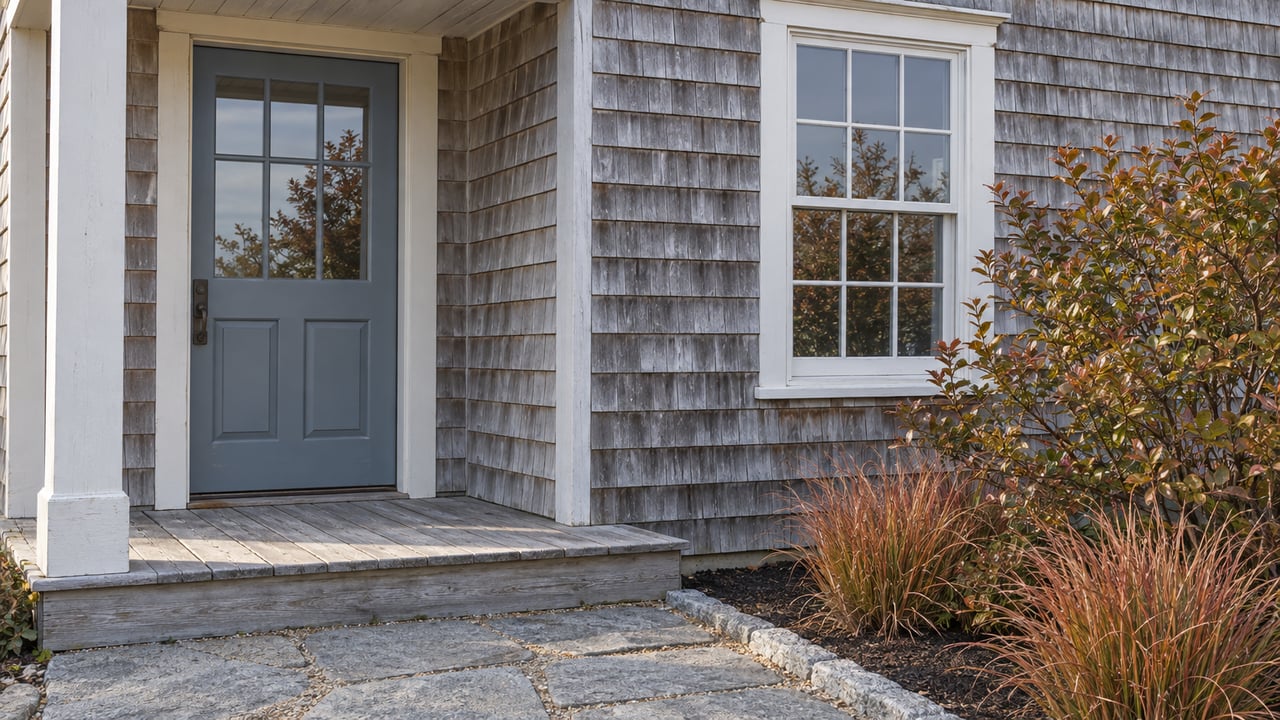
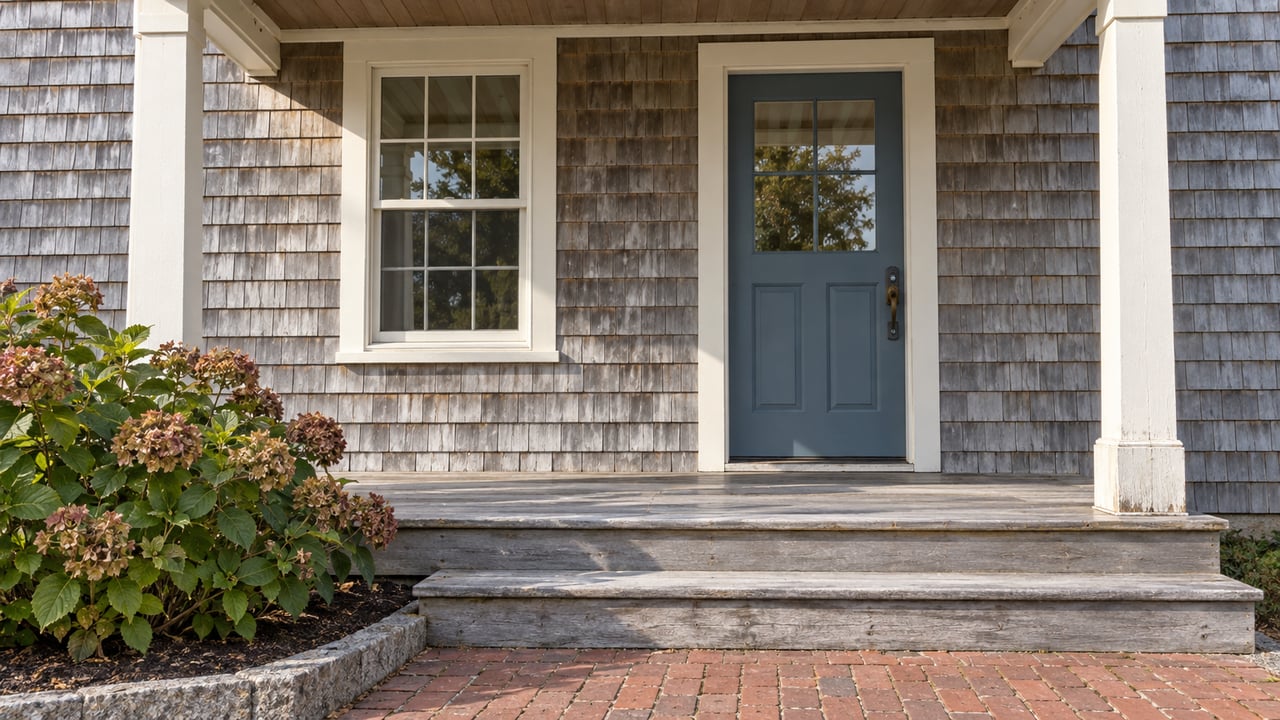
What it feels like: The village is compact, highly walkable, and steeped in maritime architecture. You will see clapboard cottages, restored captain’s homes, and brick-lined streets near the harbor. Many properties fall inside the local historic district, which places strong visual controls on exterior work through the Historic District Commission. You can review the process and guidelines on the Edgartown Historic District page.
Access and daily life: Most amenities are on foot, from coffee to the harbor launch. Streets are narrow and summer parking is limited, with one-way patterns that take a few days to learn. Seasonal congestion is real, as visitor guides note on the Vineyard Visitor overview of Edgartown.
Typical properties and fit: Expect smaller lots, historic homes, and some condo or townhouse conversions. If you prize walkability, harbor proximity, and classic Vineyard character, this is likely your zone. If you need a big yard, a drive-in garage, or maximum privacy, you may want to look beyond the village.
Katama and South Beach
What it feels like: Katama opens to coastal grasslands, dunes, and a working teaching farm at The FARM Institute. The atmosphere is beach-forward and relaxed, with wide skies and strong ocean light. South Beach brings surf on the ocean side and calmer water inside the bay.
Access and daily life: It is a quick drive or bike ride from downtown. Shops are fewer, and the focus shifts to sand, cycling, and open space. Summer activity clusters near the beach, and wind and exposure are part of the experience.
Typical properties and fit: You will find beach houses, seasonal cottages, and some newer construction. If immediate beach access and open views matter, Katama should sit high on your list. Plan for seasonal crowds near South Beach and a more exposed coastal setting.
Harbor and pond north shore
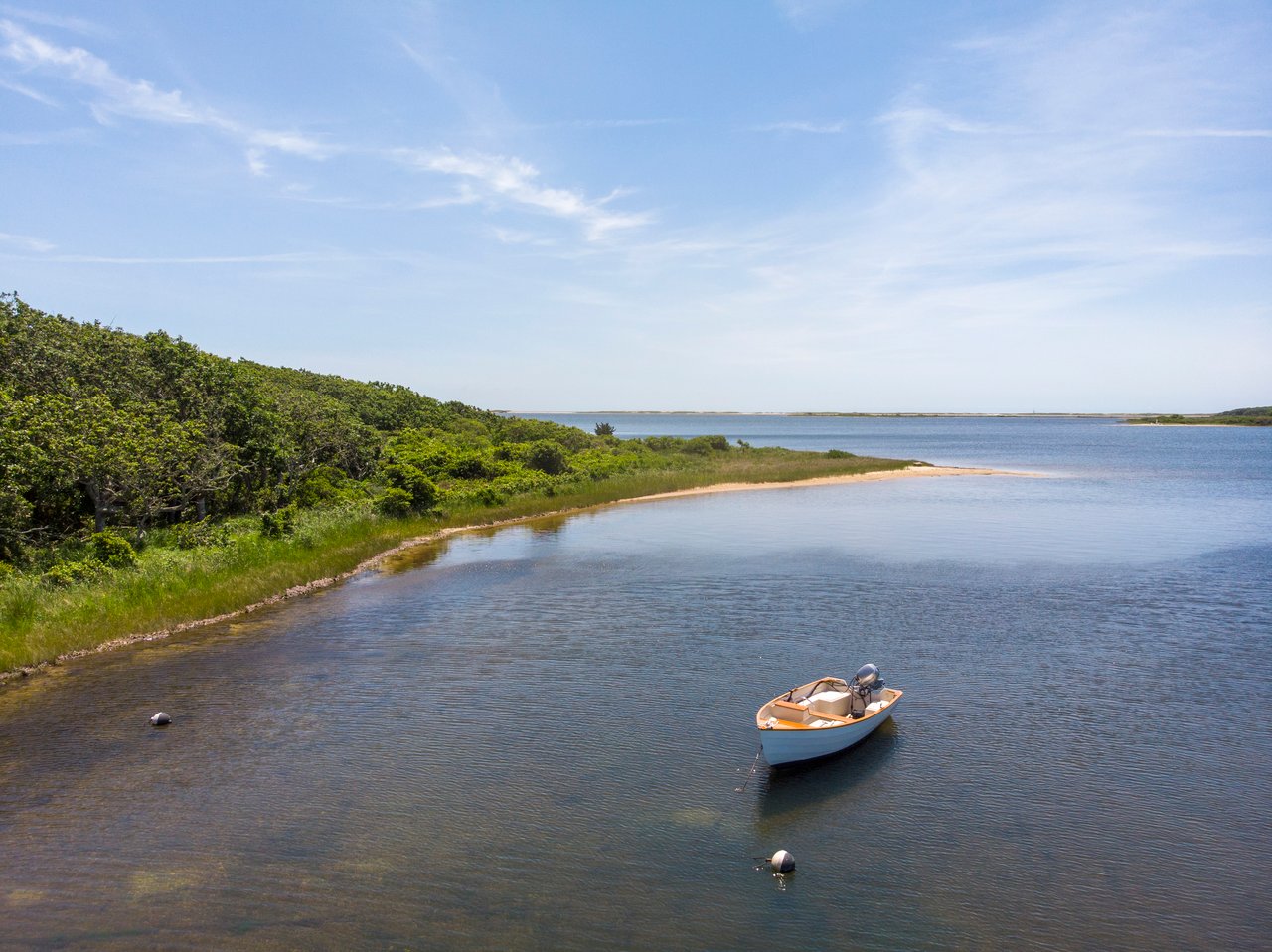
What it feels like: The north side blends in-town convenience with quiet water. Lighthouse Beach and Fuller Street Beach line the harbor with gentler surf, and nearby ponds like Sengekontacket and Oyster Pond invite boating and kayaking. For a sense of the beaches, see the Lighthouse and Fuller Street beach listings.
Access and daily life: You can be close to town yet tucked along the water. The lifestyle leans to sunrise walks, paddle sessions, and mooring logistics instead of ocean surf days.
Typical properties and fit: Expect harbor cottages and higher-value pondfront homes. If you want calmer water sports, near-harbor living, or pondfront privacy, this area aligns well.
South shore and rural interior (RA-120)
What it feels like: Large-lot zoning dominates much of Edgartown’s south and interior, with three-acre minimums in many RA-120 zones. That scale keeps density low and preserves rural character. It also spreads services out and lengthens drive times.
Access and daily life: You trade walkability for space, privacy, and a quieter lane. Confirm the specific zoning and overlay districts that touch your parcel by reviewing the Edgartown overlay zoning map.
Typical properties and fit: You will see single-family homes on larger parcels, some newer construction, and agricultural or open-space holdings. If you want room for gardens, potential outbuildings, or a retreat from summer congestion, this is a strong fit. Zoning can both protect your setting and restrict options like lot splits or accessory units.
Chappaquiddick (Chappy)
What it feels like: Chappy reads as rural and nature-first, with limited services and a small year-round community. Beaches and fishing take center stage, supported by significant conservation land.
Access and daily life: The island is reached by a short vehicle ferry from downtown, the most reliable public link year round. For a look at the ferry’s cadence and character, read MV Magazine’s feature on the Chappy Ferry. Norton Point’s sand connection opens and closes with storms, so plan on the ferry.
Land and beach access: The Trustees manage long stretches of shoreline on Chappy, including Wasque and Cape Poge. Policies for oversand vehicle access and admissions update periodically. Before you buy, review the current OSV and admissions options in The Trustees’ latest Chappaquiddick beaches update.
Typical properties and fit: You will find seasonal cottages and sparse year-round homes. If you want isolation, long natural beaches, and a slower rhythm, Chappy delivers. If you need walkable shops or frequent mainland commuting, it may be challenging.
What to prioritize before you tour
Use this quick filter to match your aims to the right pocket and avoid surprises during due diligence.
- Walkability or land: If a car-free routine is the goal, focus on the village and near-harbor streets. If you need a yard, pool, or room for a garage or studio, look toward Katama, pondfront areas, or the larger parcels in RA-120.
- Historic district rules: In the village, many properties sit inside the local historic district, where exterior changes typically require review. Familiarize yourself with the process on the Historic District Commission page so you know what to expect.
- Zoning and overlays: Three-acre minimums and resource overlays shape what and where you can build. Confirm your parcel’s rules through the town’s planning and regulations page and the MVC’s overlay zoning map.
- Septic and water: Many homes rely on on-site septic systems. Massachusetts Title 5 inspections are common at sale, and upgrades can be significant. Read the state’s consumer guidance on septic inspections and repairs and speak early with the Board of Health.
- Flood risk and insurance: Shore properties often sit in FEMA flood zones. Ask for elevation details, insurance history, and any local coastal resilience materials during due diligence.
- Beach driving and access: If driving on the beach matters, especially on Chappy, check the current Trustees policies before you finalize a plan. Rules can shift season to season.
- Summer access and parking: Expect surges near downtown, ferry queues, and South Beach. Visitor guides regularly note one-way streets and limited parking on the Vineyard Visitor guide. Plan guest parking accordingly.
- Conservation and amenities: Being near preserves like Felix Neck or The Trustees’ farm protects open views and provides trails, while also reducing nearby private expansion.
Showings checklist for Edgartown buyers
Bring these questions to each tour so you compare apples to apples across neighborhoods:
- Is the property inside the Historic District or any overlay district, and what exterior work requires review or permits?
- What is the zoning district and minimum lot size, and does any overlay affect buildable area or outbuildings?
- Is there municipal water and sewer, or on-site systems? When was the last Title 5 inspection, and are the septic plans on file?
- Is the home in a FEMA flood or coastal velocity zone? What is the elevation of the lowest habitable floor, and what are the recent insurance premiums?
- Are there conservation restrictions, easements, beach rights, or access rules that affect parking or shoreline use?
- For pondfront properties, what are the rules for moorings, docks, and weed or water-level management? Who issues permits?
- For Chappy, what are typical ferry wait times in peak season, and are there vehicle size limits or operating-hour constraints that affect your schedule?
Market snapshot and expectations
Aggregated consumer trackers place Edgartown’s median sale price in the high-six to low-seven figures in recent 12-month snapshots. Micro-neighborhoods vary widely. You may see modest cottages under one million at times, while pondfront, oceanfront, and grand historic homes often trade at multi-million levels. For pricing decisions, verify current conditions with the MLS, recent town sales, and a tailored analysis.
Two practical notes for offers and renovations:
- Large-lot and coastal overlays can limit subdivision, accessory dwellings, and expansion potential, which supports long-term scarcity and value in certain pockets.
- Title 5 compliance, flood-resilient design, and historic review can add time and cost but also preserve the quality that draws buyers to Edgartown in the first place.
Match your lifestyle to the right pocket
- You want car-free days: Start with the village and near-harbor streets. Confirm historic review requirements and seasonal parking patterns.
- You live for the beach: Focus on Katama for quick South Beach access and open views. Expect summer energy near the beach and plan for wind and exposure.
- You prefer calm water and boats: Target Lighthouse and Fuller Street areas, or explore pondfront on Sengekontacket and Oyster Pond. Ask early about mooring and access rules.
- You need privacy and land: Look south and inland where RA-120 large-lot zoning is common. Confirm buildable area and any accessory dwelling limits.
- You crave quiet, wild coastline: Consider Chappy. Test the ferry routine and refresh on beach access and OSV policies before you commit.
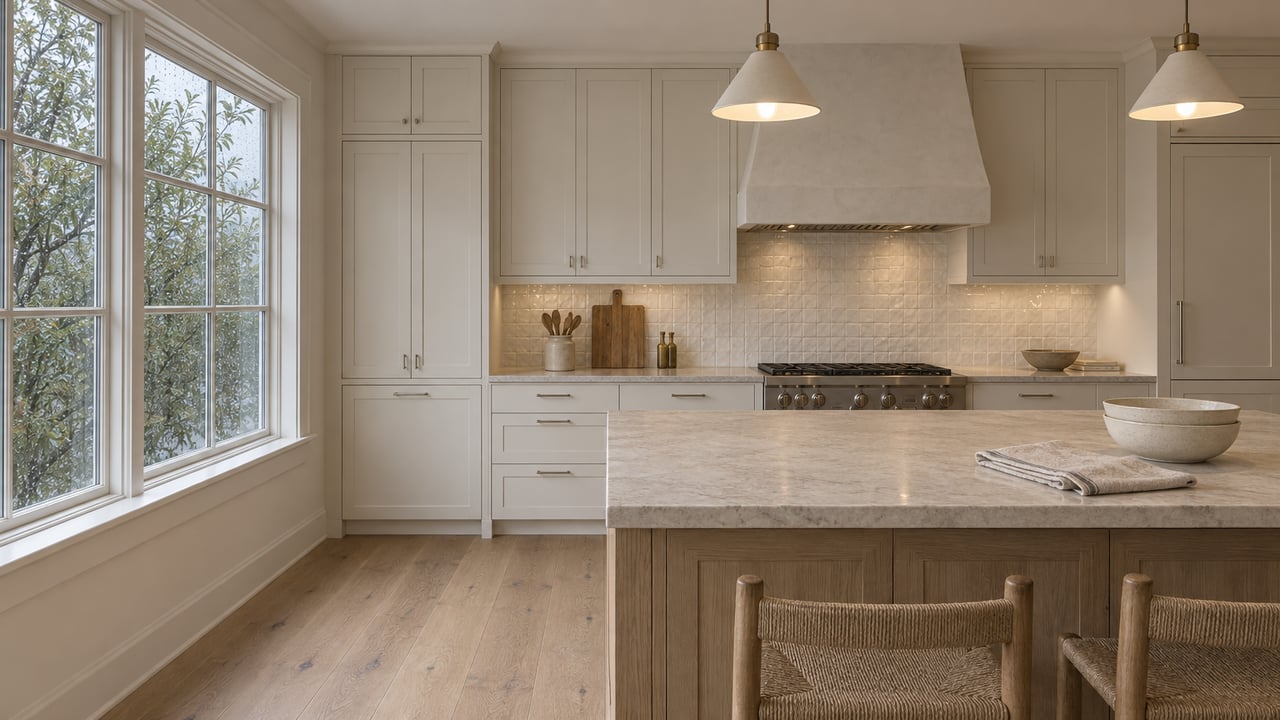
At every step, pairing site selection with a creative plan unlocks value. If you are weighing renovation or a design-led new build, a coordinated strategy that blends brokerage, design vision, and rental positioning can help you buy with confidence and optimize long-term stewardship.
Ready to refine your search or talk through a property’s design and regulatory path? Connect with Studio Realty LLC to align the right micro-neighborhood with your lifestyle, budget, and project goals.
FAQs
What is the Edgartown Village Historic District and how does it affect renovations?
- The district applies design review to many exterior changes in the village, so items like siding, windows, paint, and porches often need approval before work begins.
How does RA-120 three-acre zoning impact building plans in Edgartown?
- RA-120 areas require larger minimum lots and can restrict subdivision, outbuildings, and accessory dwellings, which preserves low density and affects what you can add.
What should I know about septic systems and Title 5 when buying on Martha’s Vineyard?
- Many homes use on-site septic; a Title 5 inspection is common at sale and upgrades can be costly, so review inspection results, past permits, and Board of Health records early.
How do South Beach and the harbor beaches differ for daily use?
- South Beach is ocean-facing with stronger surf and more exposure, while Lighthouse and Fuller Street beaches sit on the harbor with gentler water better for wading and paddling.
What are the practical considerations of living on Chappaquiddick?
- Daily life includes ferry timing, limited services, and seasonal rules for beach access. If you plan beach driving, confirm current permit and admissions policies in advance.
How do conservation lands influence where I buy in Edgartown?
- Preserves protect scenery and provide trails, but they also limit nearby development, which can reduce future building around you and enhance long-term landscape character.