Thinking about a second home in Edgartown that you can enjoy and also rent when you are off island? The idea is exciting, but the rules, taxes, and seasonal rhythms can feel complex. In this guide, you will get clear on what changed recently, which homes and locations tend to book best, and how to run simple revenue math before you buy. Let’s dive in.
Why Edgartown works for second homes
Edgartown has one of the Vineyard’s most active short-term rental markets. According to the Martha’s Vineyard Housing Needs Assessment, Edgartown had about 1,417 registered short-term rental units as of April 2024, and Dukes County overall is a high nightly-rate market within New England. The same report cites countywide figures near $930 per night from one analytics provider, with wide variance by town and listing type. That variance is expected here, since harbor, downtown, and waterfront homes command different premiums than inland properties.
Demand follows a strong seasonal curve. Summer weeks lead the calendar, with late spring and early fall acting as shoulder seasons. Local reporting notes that many bookings in July and August are week long and that town policy discussions continue as officials assess tourism and housing pressures. You can explore that context in recent Vineyard coverage on evolving short-term rental rules.
- Source: See the Vineyard-wide counts and rate context in the Martha’s Vineyard Housing Needs Assessment and read local reporting on seasonal peaks and STR policy discussions.
Know the taxes and registration
Massachusetts treats most short-term rentals similarly to hotel stays for tax purposes. The statewide room occupancy excise is 5.7 percent, and you must register with the Department of Revenue if you rent for short terms. Learn the basics on the Massachusetts room occupancy excise.
Edgartown also adopted a 6 percent local rooms excise at the 2024 Town Meeting, effective January 1, 2025, which brings many bookings to a combined 11.7 percent tax. Collection practices can differ by platform, so confirm which channels collect and remit for you and which require your own filings. See meeting coverage that references the change and related town bylaw discussions in MV Times reporting.
Regional surcharges can apply in other Cape and Islands communities, but as of the 2024 Island housing assessment none of the Vineyard towns had adopted the 2.75 percent Cape and Islands Water Protection Fund option. Since taxes can change, include a quick tax check in your annual budgeting.
Zoning and ADUs: what changed
Edgartown updated its zoning bylaw in 2024 and 2025. The bylaw defines short-term rentals in line with state law and distinguishes them from larger transient residential facilities, which are treated differently in certain districts. If you plan to add space or host group bookings, it is important to verify your district’s allowances.
A key update affects Accessory Dwelling Units. ADUs permitted after April 8, 2025 cannot be used as short-term rentals in Edgartown. That is a meaningful shift if your plan involved building a rentable cottage or converting a garage into a weekly rental. You can review these provisions, plus wastewater and parking references, in the Edgartown Zoning Bylaw.
Wastewater and sewer capacity also matter on the Vineyard. Some projects require proof of capacity or connection, and those limits can affect bedroom count, which in turn affects guest capacity. Before you buy or draw plans, confirm what the lot supports.
Where rentals perform best in Edgartown
Patterns vary by guest type and season, but several pockets see consistent interest:
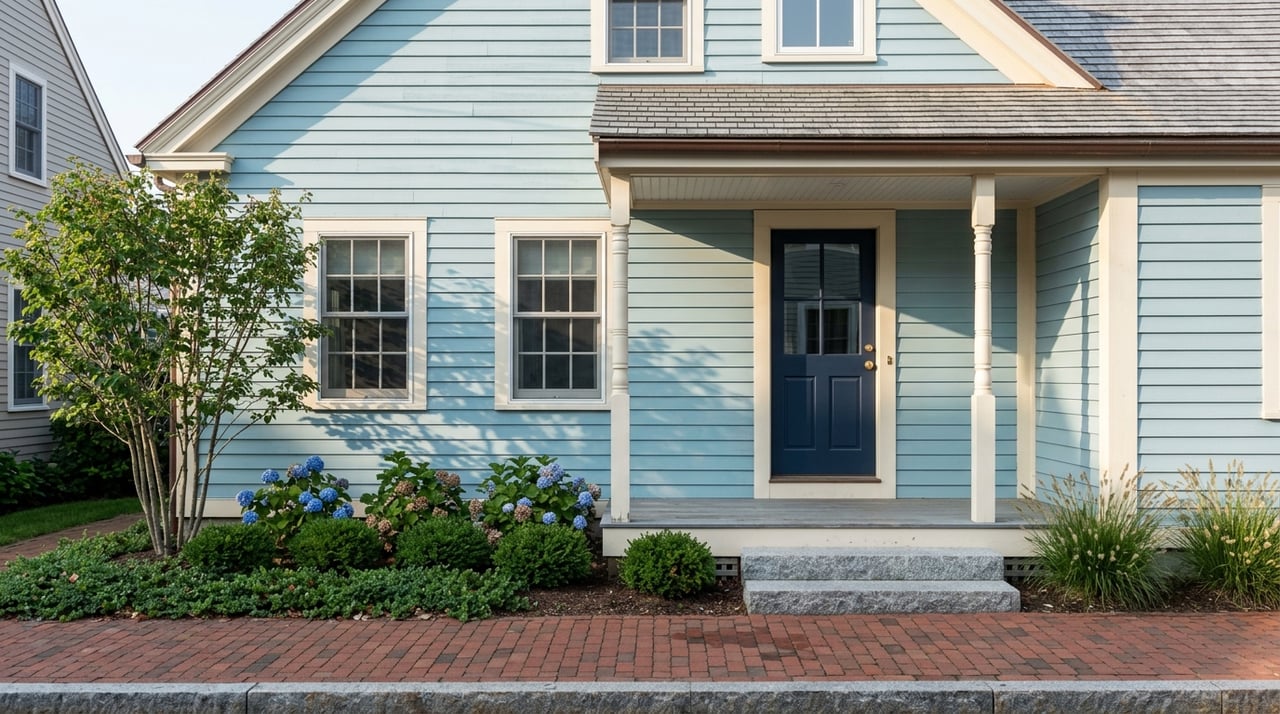
- Downtown and Harbor. Walkable dining, shops, and shoreline views draw strong demand. Smaller cottages and condos near Main Street often secure premium nightly rates because of convenience and setting.
- Katama and South Beach. Proximity to South Beach, bike paths, and larger lots make Katama attractive for groups who value space and easy outdoor access. Listings that note bike access to town or short walks to the beach tend to convert well in peak weeks.
- Waterfront cottages. Homes with harbor, bay, or pond outlooks command premium rates. These appeal to guests who plan time on the water and to multi-generational groups that prioritize views and outdoor gathering space.
What homes and amenities book best
In peak season, three or more bedrooms with two or more full baths tend to perform well because they fit multi-couple or multi-generational groups. Smaller waterfront or walk to town cottages can also outperform on a per-night basis, even if total capacity is lower. This is where a design-aware plan pays off, since good photos and clear layout details drive online conversion.
Guests on the Vineyard consistently filter for certain comforts. Strong Wi-Fi, comfortable beds, well-equipped kitchens, reliable air conditioning, a washer and dryer, and multiple bathrooms are table stakes. Upgrades like off-street parking, an outdoor shower, secure bike and beach gear storage, private outdoor dining, and clear self check-in help listings stand out. For a quick overview of amenities that move the needle, see this vacation rental amenities guide.
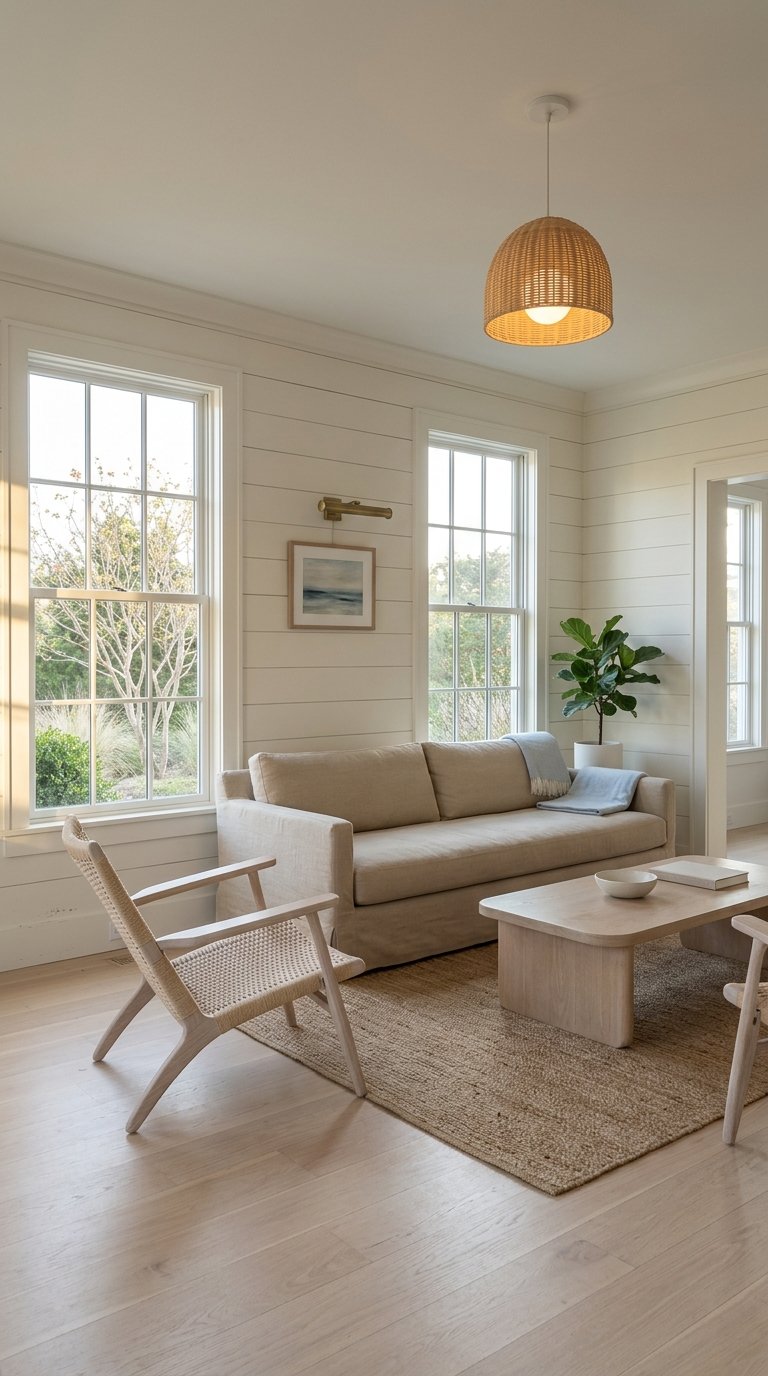
Design choices should balance personal taste with durability. A calm coastal palette, stain-resistant fabrics, hospitality-grade linens, and lighting that photographs well all help. Easy to clean flooring in entry or mudroom areas and thoughtful storage keep high-traffic spaces tidy between stays.
Quick revenue math you can trust
Different analytics providers report different averages because they track different sets of homes and treat off season nights differently. One market snapshot for Edgartown shows high nightly rates for top listings, commonly in the high hundreds, with occupancy in the 30 to 40 percent range outside peak weeks. See an example of that range in AirROI’s Edgartown snapshot. Other aggregators that look at a broader set of listings report lower average nightly rates and higher occupancy, such as around $400 ADR with roughly 55 percent occupancy. See that alternate view from Awning’s Edgartown page.
Here is a simple illustration, not a forecast. If a four-bedroom Edgartown home averages $800 per night with a blended 40 percent occupancy over the year, gross rental revenue would be about $116,800. Full service management commonly costs 20 to 30 percent of rental revenue, and you would also have cleaning, supplies, routine maintenance, utilities, and insurance. For fee context and a list of what full service typically includes, review public disclosures from a national manager.
The right next step is to run a custom comps workbook for a specific address, then compare net-to-owner under different management options. Use multiple providers to bracket realistic ranges and avoid relying on a single headline number.
Operate without the headache
A professional management program can preserve your lifestyle while protecting revenue. Full service typically includes listing creation, dynamic pricing, 24/7 guest support, smart lock access, housekeeping and linen programs, local maintenance, and basic tax and compliance guidance. Many programs also offer damage protection options.
Fee structures vary, so compare the full picture. Some companies wrap guest services into one fee, while others split marketing, communications, and cleaning coordination. Focus on net revenue after fees and taxes, not just the nightly rate.
If you plan to enjoy the home part of the season, look for an owner-forward program. You should be able to hold specific weeks, set minimum stay rules, and use clear house rules plus quiet hours and external-only noise monitors to protect neighbors. Studio Realty’s in-house rental arm, Studio Stays, is designed for owners who want tasteful presentation, curated guest placement, and a schedule that puts owner use first.
Buyer and owner checklist
Use this quick pass-fail list when you evaluate a property or prep your home for rental:
- Zoning and deed restrictions. Confirm the district allows your intended use and that there are no deed or HOA limits on short-term rental activity. Review the Edgartown Zoning Bylaw and your title.
- ADU and conversions. If you plan to add an ADU, know that ADUs permitted after April 8, 2025 cannot be used as short-term rentals in Edgartown.
- Wastewater capacity. Verify sewer connection or septic capacity if you intend to add bedrooms or a separate unit. Capacity limits can cap rentable bedrooms.
- Parking and access. Confirm off-street parking and straightforward arrival. Parking scarcity on the Island makes this a valued amenity.
- HVAC and cooling. Whole-house AC or well-placed bedroom units meaningfully improve guest comfort and extend the booking season.
- Insurance. Confirm your insurer allows short-term rental use or obtain the right rider or policy. Standard homeowners coverage may exclude commercial rental activity.
- Noise and event rules. Understand any HOA bylaws and local event or noise bylaws. Edgartown has actively discussed event rules, so keep house rules clear and list a local contact. See context in MV Times reporting.
- Local vendor bench. Line up cleaners, linen service, a handyman, and a local manager or co-host who understands ferry logistics and seasonal availability.
- Tax compliance. Register with the state for the room occupancy excise and confirm how each platform handles collection and remittance. Start with Massachusetts DOR guidance.
Next steps
A second home in Edgartown should feel effortless and well considered. With clear rules, a design-forward plan, and professional operations when you want them, you can enjoy Island time and offset costs with confident seasonal income. If you would like a private, end-to-end plan that covers purchase, design, and a right-sized rental program, connect with Studio Realty LLC for a quiet, expert consultation.
FAQs
Edgartown short-term rentals: Do I need to register?
- Yes. Register for the Massachusetts Room Occupancy Excise and follow any Edgartown collection steps. Start with state DOR guidance and confirm current town notices.
Edgartown rental taxes: How much will guests pay?
- As of the 2024 Town Meeting vote, many bookings include 5.7 percent state plus 6 percent local excise for a total of 11.7 percent. Platform collection varies, so verify by channel. See MV Times reporting.
Edgartown ADUs: Can I use one as a vacation rental?
- Not if it is a new ADU permitted after April 8, 2025. Edgartown’s bylaw prohibits using those ADUs for short-term rentals. Review the Edgartown Zoning Bylaw.
Management vs. self-managing: Which is better in Edgartown?
- It depends on your time, proximity, and goals. Full service managers handle operations and compliance but often charge 20 to 30 percent of revenue. Compare net-to-owner for both options using this overview of services and fees.
Best upgrades for an Edgartown rental: What pays off?
- Reliable AC, professional photos and listing copy, off-street parking, extra full bathrooms where feasible, organized beach and bike storage, and quality linens. See a concise amenities guide for guest-preferred features.