What makes Chilmark feel so distinct on Martha’s Vineyard? It is not just the scenery. It is the way open farmland, a working harbor, and year-round community habits shape the town’s pace from one season to the next. If you are curious about what gives Chilmark its enduring character, this guide will walk you through the farm-and-harbor rhythm that defines life here. Let’s dive in.
Why Chilmark Feels Different
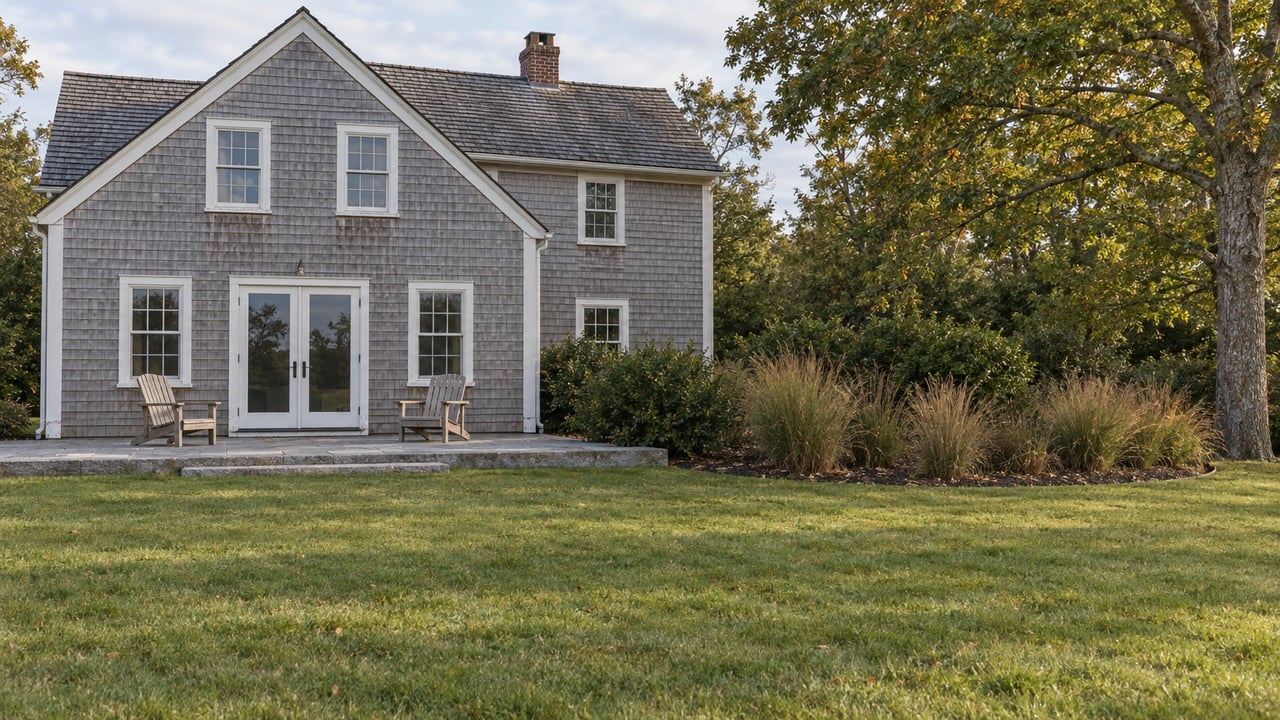
Chilmark is defined by both land and water. The town’s official visitor information describes it as a rural landscape anchored by the fishing village of Menemsha, while Dukes County’s town profile points to rolling terrain, stone fences, and the highest elevation on the island.
That blend is not new. County history notes that Chilmark was established in 1671 and had 96 farms by 1850, which helps explain why agriculture still feels like part of the town’s living identity rather than a decorative idea from the past. In Chilmark, the landscape tells you how the town has worked for generations.
Farms and Harbor Work Together
In many places, a scenic harbor and rural farmland might feel like separate worlds. In Chilmark, they coexist as part of one local pattern. The landward and waterfront sides of town support a shared sense of purpose, continuity, and stewardship.
Menemsha Keeps a Maritime Rhythm
Menemsha is the clearest expression of Chilmark’s harbor life. According to the town’s Menemsha Harbor information, the harbor serves both recreational and commercial boaters, with an emphasis on keeping it organized, safe, courteous, and family-oriented.
That matters because Menemsha is not simply a postcard setting. Chilmark’s historical materials about the fishing vessel Little Lady reflect a harbor culture where multigenerational fishing remains meaningful. The result is a place where working waterfront activity still shapes the atmosphere.
Farming Remains Active on the Land
Chilmark’s agricultural identity continues to show up in active, public-facing ways. A 2025 town document tied to North Tabor Farm describes a long-running farm that has hosted educational events, trained future farmers, and served the community for decades.
Town materials also reference Beetlebung Farm programming built around tours, tastings, and growing spaces. Grange Hall is similarly described as a historic agricultural center that once hosted the island’s premier farmers market and helped connect local agriculture with farm-to-table traditions. Together, these details show that farming in Chilmark is still part of how people gather, learn, and experience the town.
How the Seasons Change the Pace
One of the most interesting things about Chilmark is that the place stays true to itself, even as the cadence shifts throughout the year. Summer brings more structure and activity. The shoulder seasons and winter reveal a quieter, more local-feeling version of the same landscape.
Summer Brings More Structure
The town’s seasonal operations make this easy to see. The harbormaster page lists summer office hours from June 17 to August 31, then notes that service is by appointment from September 1 through June 16.
The beach system reflects a similar pattern. Chilmark’s beach information shows summer pass windows for Lucy Vincent and Squibnocket, while off-season access does not require a pass. That shift suggests a summer season that is more actively managed and more heavily visited.
Off-Season Opens Up the Landscape
When summer fades, Chilmark does not shut down. It simply gets quieter. The tone changes from managed peak-season movement to a more open and reflective pace.
Menemsha Hills stays open year-round, and The Trustees describes it as one of the quietest seaside landscapes on the island, with views of the harbor entrance, the Elizabeth Islands, and Gay Head Light. Middle Road Sanctuary offers another year-round option for walking in Chilmark, including a Storybook Walk created with the Chilmark Public Library for children and families.
For buyers and owners who value privacy, natural beauty, and a slower daily rhythm, this off-season character is often a major part of Chilmark’s appeal. The town offers a lived-in sense of place beyond the summer spotlight.
Daily Life Has Its Own Rhythm
Chilmark’s identity is not only found in broad landscapes. It also appears in small, repeatable moments that help a place feel grounded and real. These details can be easy to miss if you only think of the town as a seasonal destination.
Mornings Around Beetlebung Corner
Dukes County’s overview places the library and general store near the heart of town around Beetlebung Corner. That cluster helps explain why the area feels like a practical center of daily life rather than a formal downtown.
The Chilmark General Store’s community page also places the store within the town’s rural social fabric. In a place like Chilmark, these everyday touchpoints matter. They help create continuity between year-round routines and seasonal patterns.
Evenings in Menemsha
At the other end of the day, Menemsha often becomes the visual anchor. The harbor setting and beach-edge light give evenings a distinct sense of place, and the town’s harbor materials reinforce Menemsha’s long-standing role within Chilmark’s identity.
That farm-to-harbor progression is part of what makes the town memorable. Morning can feel centered on inland routine and open land, while evening naturally draws attention toward the harbor and shoreline.
Community Life Continues Year-Round
A common question is whether Chilmark is mainly a summer place. The answer, based on town and community resources, is no. Seasonal intensity changes, but community life continues well beyond the busiest months.
The Community Center Anchors the Off-Season
The Chilmark Community Center is one of the clearest examples. Its off-season programming includes pre-school classes, flea markets, day care, potluck jams, town meetings, wedding receptions, clambakes, and the Fire Department’s annual Christmas party.
The center also traces its roots to earlier traditions like sing-alongs, basement movies, and square dances before the current building was erected in 1956. That history reinforces the idea that Chilmark’s quieter months are still socially active, just in a more local and indoor way.
The Library and Local History Stay Active
The library calendar shows recurring gatherings such as Coffee & Conversations and a Community Knitting Circle. The Historical Commission also meets regularly and shares historical stories and town anecdotes.
These details matter because they show how Chilmark maintains identity through shared memory as well as through events. Even in colder months, the town remains engaged with its own history and community life.
What This Means for Buyers and Owners
If you are considering buying or owning property in Chilmark, understanding this seasonal rhythm can help you see the town more clearly. Chilmark is not defined by a single season, and it is not only about views. Its value is closely tied to continuity, landscape stewardship, and the way daily life is shaped by both open land and harbor culture.
For some buyers, that means seeking a home that feels connected to quiet trails, rural roads, and a calmer off-season experience. For others, it may mean proximity to Menemsha, access to a harbor-centered lifestyle, or the long-term potential of a property that can be carefully improved and stewarded over time.
That is also where thoughtful guidance matters. A place like Chilmark rewards a more nuanced approach, especially if you are weighing design plans, renovation potential, seasonal use, or long-term ownership strategy. Working with a team that understands both the physical setting and the town’s lived rhythm can help you make more informed decisions.
If you are exploring Chilmark or thinking about your next move on Martha’s Vineyard, Studio Realty LLC offers discreet, design-aware guidance shaped by deep local knowledge. Whether you are buying, selling, or evaluating a property’s long-term potential, the right perspective can help you align with the character that makes Chilmark so special.
FAQs
What gives Chilmark its farm-and-harbor identity?
- Chilmark’s identity comes from its long agricultural history, active farm culture, and the ongoing maritime role of Menemsha as a working harbor.
Is Chilmark only active during summer?
- No. While summer brings more managed activity, year-round trails, library programs, and community-center events show that Chilmark remains active in the off-season.
What makes Menemsha important to Chilmark?
- Menemsha is central to Chilmark’s maritime character because it serves both commercial and recreational boaters and reflects the town’s long-standing fishing culture.
What are some year-round things to do in Chilmark?
- Year-round options mentioned in town and local resources include walking at Menemsha Hills, exploring Middle Road Sanctuary, attending library events, and participating in community-center programming.
Why does Chilmark appeal to place-sensitive buyers?
- Chilmark appeals to many buyers because it offers a distinctive combination of rural open land, harbor culture, seasonal variety, and a strong sense of long-term stewardship.