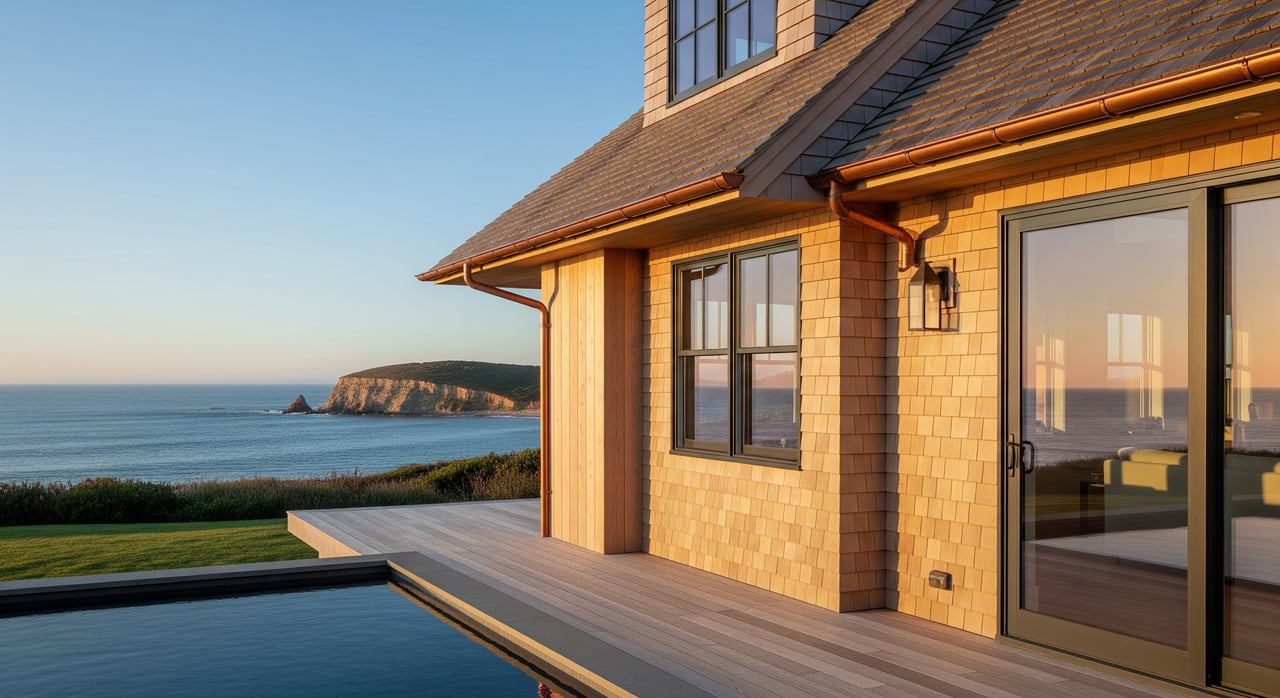
Salt air is beautiful until it starts eating your house. If you own in Aquinnah or you are planning a renovation on Martha’s Vineyard, you already know wind, humidity, and UV are relentless. You want materials that keep their shape, hold their color, and do not corrode. In this guide, you will learn which coastal‑grade products perform, how to specify them, and the simple sequence that protects your investment for the long term. Let’s dive in.
Why coastal‑grade matters in Aquinnah
Aquinnah homes face salt‑laden air that accelerates corrosion on metals and can break down coatings. Summer humidity promotes mold and mildew, while freeze–thaw cycles and strong sun stress wood and polymers. Nor’easters and coastal storms push wind‑driven rain into weak points, so water management and secure attachments are essential.
Portions of Aquinnah fall within FEMA coastal flood zones, which can influence elevation and construction methods. Local policy and design guidance from Martha’s Vineyard Commission and Massachusetts Coastal Zone Management also shape siting choices. Start with exposure, then choose materials and details that match your micro‑site.
Siding that stands up
Fiber cement cladding
Fiber cement in lap or shingle profiles offers strong dimensional stability and is non‑combustible. It can deliver a 25 to 50 year service life when detailed with proper flashing and finished with high‑quality exterior paint. Plan for repainting or factory recoat cycles every 10 to 20 years depending on sun and wind exposure.
Cedar shingles, installed right
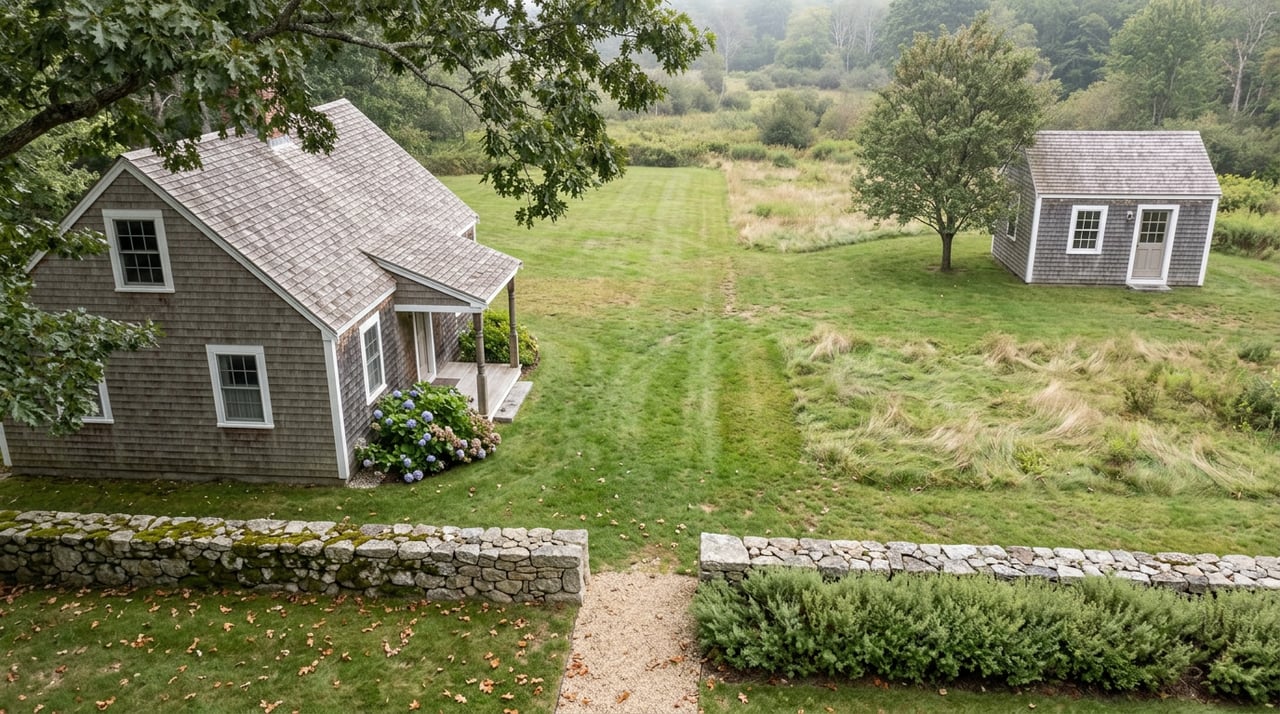
Cedar shingles remain a Vineyard classic and look at home in Aquinnah’s landscape. They perform well with correct ventilation, integrated flashing, and stainless fasteners. Life expectancy ranges from 15 to 30 years based on exposure and maintenance, especially if you keep finishes touched up and allow the assembly to dry.
Engineered and metal options
High‑performance engineered woods and composites can work when the manufacturer verifies UV and salt‑air resistance. For a modern look, consider pre‑finished aluminum panels with Class I anodize or PVDF coatings, or coated Galvalume and stainless steel panels in higher exposure areas. Confirm compatible fasteners and avoid contact between dissimilar metals.
Fasteners and rainscreens
Use 316 stainless steel fasteners and nails for exposed exterior work, especially on windward facades. Where stainless is not feasible, hot‑dip galvanized to ASTM A153 is the minimum, but expect a shorter life near salt spray. A ventilated rainscreen behind siding lets walls drain and dry, which reduces paint failure and mold risk.
Roofing built for wind
Standing seam metal
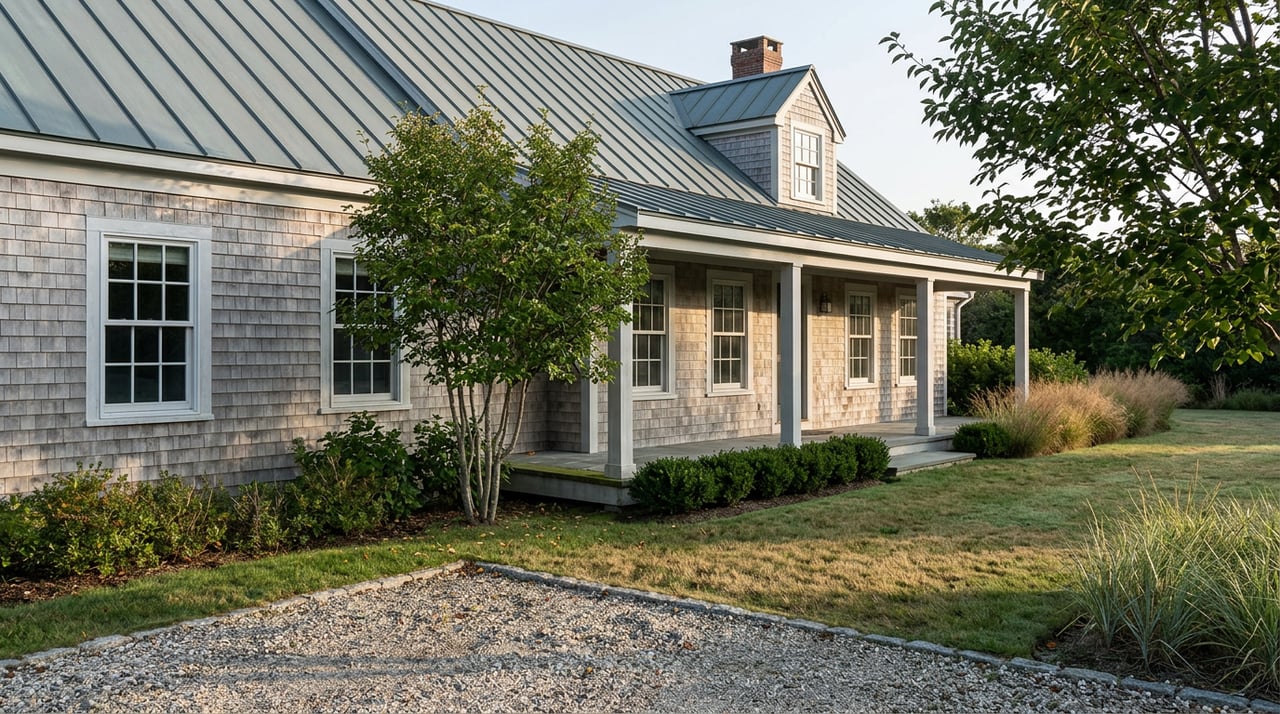
Standing seam metal roofs in pre‑finished aluminum, coated Galvalume, or stainless steel deliver 30 to 60 years of service. They resist wind uplift, shed water efficiently, and minimize penetrations. Specify high‑performance factory coatings and marine‑appropriate fasteners for consistent long‑term color and protection.
Architectural asphalt shingles
Architectural asphalt is common and can perform well, but lifespans may be shorter in exposed coastal sites. Choose algae‑resistant, high‑UV rated shingles and ensure proper attic ventilation. Expect a typical range of 15 to 25 years in higher exposure zones.
Cedar roofs with care
Cedar shingles provide a traditional profile and can work if you prioritize ventilation and 316 stainless fasteners. Plan for more frequent inspection and maintenance where salt spray and high winds are frequent. Keep valleys and flashing areas clear so water does not back up.
Flashings and gutters
Use non‑ferrous metals for flashings, such as stainless steel, copper, or properly coated Galvalume. Gutters and downspouts should be stainless or heavy‑gauge aluminum with marine‑grade paint. Keep debris out so moisture does not sit against fascia or cladding.
Windows and doors that endure
Frames that resist movement
Fiberglass frames offer low thermal expansion and strong stability in coastal conditions. Wood‑clad frames can be excellent when the exterior finish is maintained on schedule. Thermally broken aluminum with Class I anodize or PVDF coatings can also perform well with the right specifications.
Glass, ratings, and storms
Look for NFRC U‑factor and SHGC values appropriate for the Vineyard’s climate. Double or triple glazing with low‑E coatings helps control heat loss in winter and solar gain in summer. Consider impact‑resistant glazing or storm panels for higher exposure sites based on wind maps, insurance guidance, or FEMA designations.
Hardware that resists corrosion
Marine‑grade 316 stainless steel or silicon bronze is ideal for hinges, locks, and exterior hardware. Avoid plated finishes on ocean‑facing doors and windows, since zinc or nickel plating tends to delaminate in salt air. Match fasteners to the surrounding metal to reduce galvanic corrosion.
Installation and flashing
Use integrated sill pans, through‑wall flashing, and fully compatible flashing membranes. A continuous water and air barrier, connected at window and door openings, prevents wind‑driven rain from reaching sheathing. Detailing here is one of the highest‑value choices you can make.
Fight corrosion at the source
Choose the right metals
Type 316 stainless steel holds up best in marine environments where pitting and crevice corrosion can occur. Hot‑dip galvanized steel can work for concealed or sheltered locations, but it will not last as long under direct salt spray. Aluminum performs well with Class I anodize or PVDF coatings, as long as it is isolated from dissimilar metals.
Specify proven coatings
PVDF and high‑grade powder coats rated for coastal exposure have good long‑term records. Ask for marine performance data and do not rely on salt spray test hours alone. Real‑world track records and compatible details are just as important as lab tests.
Decks, hardscape, and landscape
Durable decking choices
Tropical hardwoods like ipe offer excellent resistance to decay and abrasion. Use stainless fasteners and oil the surface if you want to maintain the deep natural tone. Capped composite decking resists rot and staining; choose products with clear coastal performance statements.
Substructure and connectors
Use pressure‑treated lumber for framing, along with stainless or hot‑dip galvanized connectors based on exposure. Keep framing details simple and well ventilated, and select textured walking surfaces for slip resistance. Avoid paint on high‑traffic wet zones unless you are committed to frequent maintenance.
Paving that manages water
Permeable pavers, open‑graded stone, and sand‑set unit pavers reduce runoff and help limit salt accumulation. For stone or concrete near the shore, choose air‑entrained mixes and sealers rated for freeze–thaw and salt exposure. Proper curing and details reduce efflorescence and surface scaling.
Mechanical systems that last
Coastal‑ready HVAC
Select outdoor condensers and heat pumps with coated coils and corrosion‑protected components. Many manufacturers offer coastal or marine packages that extend service life. Place equipment in sheltered locations away from direct salt spray and above expected flood levels, with secure pads for wind loads.
Control moisture with ventilation
Follow whole‑house mechanical ventilation strategies consistent with ASHRAE 62.2. An ERV can help moderate humidity in warm, humid seasons, while an HRV may be preferred in colder weather. Basements, crawlspaces, or conditioned attics may need dedicated dehumidification to protect finishes and limit mold risk.
Electrical and plumbing choices
Use marine‑rated exterior fixtures with sealed gaskets and appropriate IP ratings. Specify weatherproof outlets and junctions above expected water levels. For exposed water lines and fittings, choose stainless steel, bronze, or compatible plastics and avoid dissimilar metal contact.
Details that make the difference
Water management first
Flashings, continuous water and air barriers, and rainscreen gaps keep assemblies dry. Generous overhangs, drip edges, and eave details reduce wetting of walls and trim. Get bulk water control right before investing in high‑finish aesthetics.
Siting for micro‑climates
Treat windward and leeward facades differently. The windward side may need higher‑grade hardware, thicker coatings, and simpler details. Where possible, locate primary living spaces and mechanical equipment farther from direct shoreline exposure.
Design for service access
Accessible fasteners, removable panels at equipment, and exposed flashings that can be inspected make maintenance easy. A simple detail that allows quick inspection can prevent small problems from becoming large ones. Plan now for the next owner with clear documentation.
Maintenance roadmap
Typical lifespans to expect
- 316 stainless hardware: 20 to 50 plus years with minimal surface change.
- Fiber cement cladding: 25 to 50 plus years; repainting intervals vary by exposure.
- Cedar shingles: 15 to 30 years depending on finish and location.
- Standing seam metal roofs: 30 to 60 plus years depending on material and coating.
- Architectural asphalt shingles: 15 to 25 years in exposed coastal sites.
- Capped composite decking: 20 to 30 plus years; tropical hardwoods 25 to 50 plus years with care.
- High quality windows: 20 to 40 plus years depending on material and exposure.
Care cadence that works
- Annual: Rinse exposed metal and HVAC coils with fresh water. Inspect for corrosion, loose fasteners, sealant gaps, and clear gutters.
- Every 3 to 5 years: Touch up paint and coatings in high‑exposure zones. Service HVAC equipment, clean coil protection, and check drain lines.
- Every 5 to 10 years: Recoat metal where films thin. Reapply deck finishes and repaint exposed cladding as needed. Keep warranty documentation current.
Renovation sequence for Vineyard homes
- Start with a site risk assessment. Confirm flood zone, wind exposure, and salt‑spray intensity using maps and a site walk.
- Fix water management first. Roof, flashing, windows, and continuous barriers come before aesthetic upgrades.
- Specify to coastal standards. Call out 316 stainless fasteners, PVDF finishes, and factory coastal packages in writing.
- Plan mechanicals carefully. Choose corrosion‑protected HVAC and a whole‑house ventilation and dehumidification strategy.
- Document everything. Keep a maintenance schedule, coatings list, and warranty terms for future owners.
Budget and value
Marine‑grade materials cost more upfront, but they save money and stress over time. Longer repaint cycles, fewer hardware failures, and roofs that outlast storm cycles reduce life‑cycle cost. When you view your Aquinnah property as a long‑term asset, durability is a design decision that pays you back.
Start with a site assessment
Every parcel in Aquinnah has a different combination of wind, sun, salt, and oversight. A tailored materials plan makes all the difference, whether you prefer classic cedar or a refined modern palette. If you are weighing a renovation or new build, schedule a private consult to map exposure, review historic or commission requirements where applicable, and align mechanical placement with your design.
Ready to create a durable, design‑forward plan for your Vineyard home? Request a private consultation with Studio Realty LLC.
FAQs
What siding lasts longest near the ocean in Aquinnah?
- Fiber cement with a high‑quality finish and proper flashing offers a 25 to 50 plus year life, while cedar can deliver 15 to 30 years with correct ventilation and maintenance.
Are impact windows required for Aquinnah coastal homes?
- Requirements vary by micro‑site and insurance; consider impact‑resistant glazing or storm panels in higher exposure areas based on wind maps and FEMA designations.
Which metal is best for exterior hardware on Martha’s Vineyard?
- Type 316 stainless steel is recommended in marine environments because it resists pitting and crevice corrosion better than 304 or plated options.
How often should I repaint or recoat exteriors in salt air?
- Plan for 10 to 20 year repaint cycles on painted wood or fiber cement, with touch‑ups every 3 to 5 years in high‑exposure zones.
What HVAC approach helps with Vineyard humidity and salt?
- Choose coastal‑package equipment with coated coils, place units out of direct spray and above flood levels, and use balanced ventilation with ERV or HRV plus dedicated dehumidification as needed.