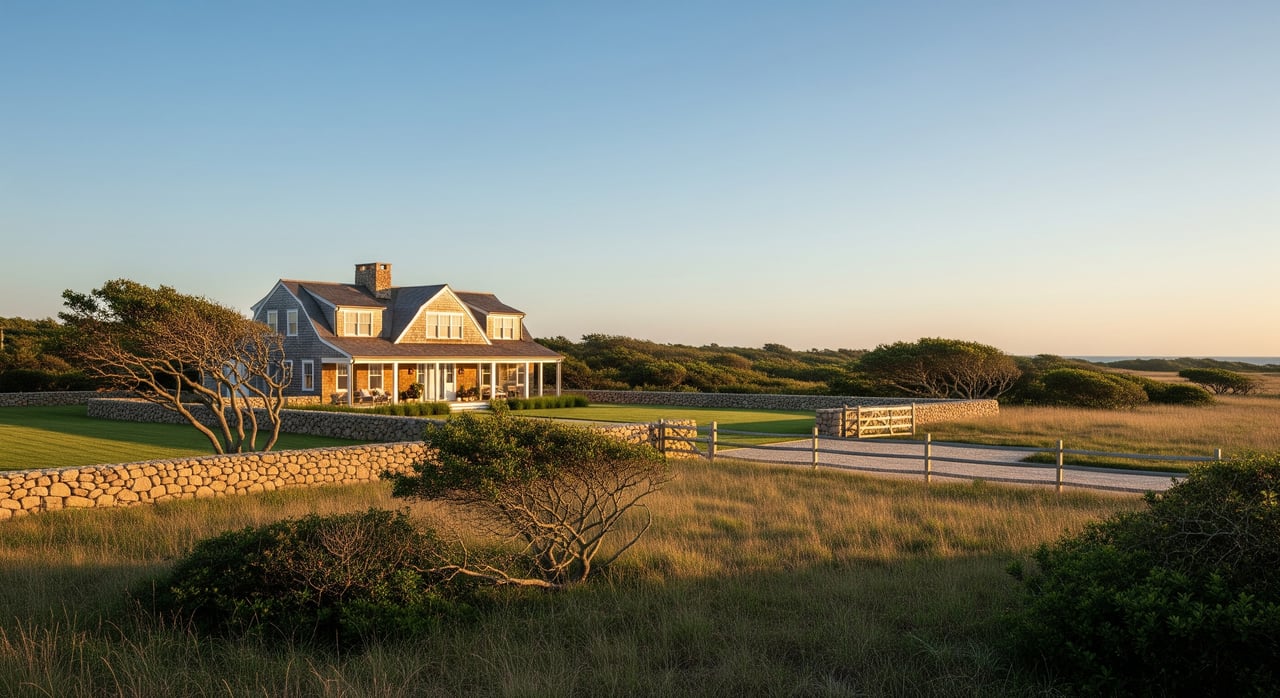
Are you drawn to Chilmark’s quiet landscapes but unsure what the town’s 3-acre zoning really allows? You are not alone. Many buyers and owners hear “three acres” and picture unlimited options, then discover that septic, wells, wetlands, and house-size limits shape what is actually possible. In this guide, you will learn how Chilmark’s rules work in practice, how they influence privacy and views, and what steps help protect long-term value. Let’s dive in.
The 3-acre minimum, in plain terms
A 3-acre minimum means the town requires a parcel of at least three acres where that rule applies. Three acres is 130,680 square feet. That size sets a baseline for density and helps preserve the town’s rural character. It does not guarantee you can build anywhere on that land.
The usable building area depends on many other rules and site conditions. Setbacks from boundaries, wetlands buffers, septic and well spacing, slopes, and ledge can shrink the practical footprint. On some parcels, only a portion of the land can hold a home and accessory structures.
Lot area vs. building envelope
Think of the building envelope as the space that remains after you account for rules and constraints. Setbacks, buffers, and protected areas carve away at the raw lot size. Even on a large parcel, the envelope can be modest or irregular. Design, orientation, and driveway layout then have to fit inside that envelope.
Why septic often leads
Title 5 septic regulations, along with local Board of Health rules, are often the controlling factor. Soil quality, depth to ledge, and groundwater conditions determine where a septic system and its required reserve area can go. The home usually follows the septic location so that proper separation distances and future maintenance are feasible. In short, septic and well placement can decide which part of a 3-acre lot is workable.
Vegetation and screening
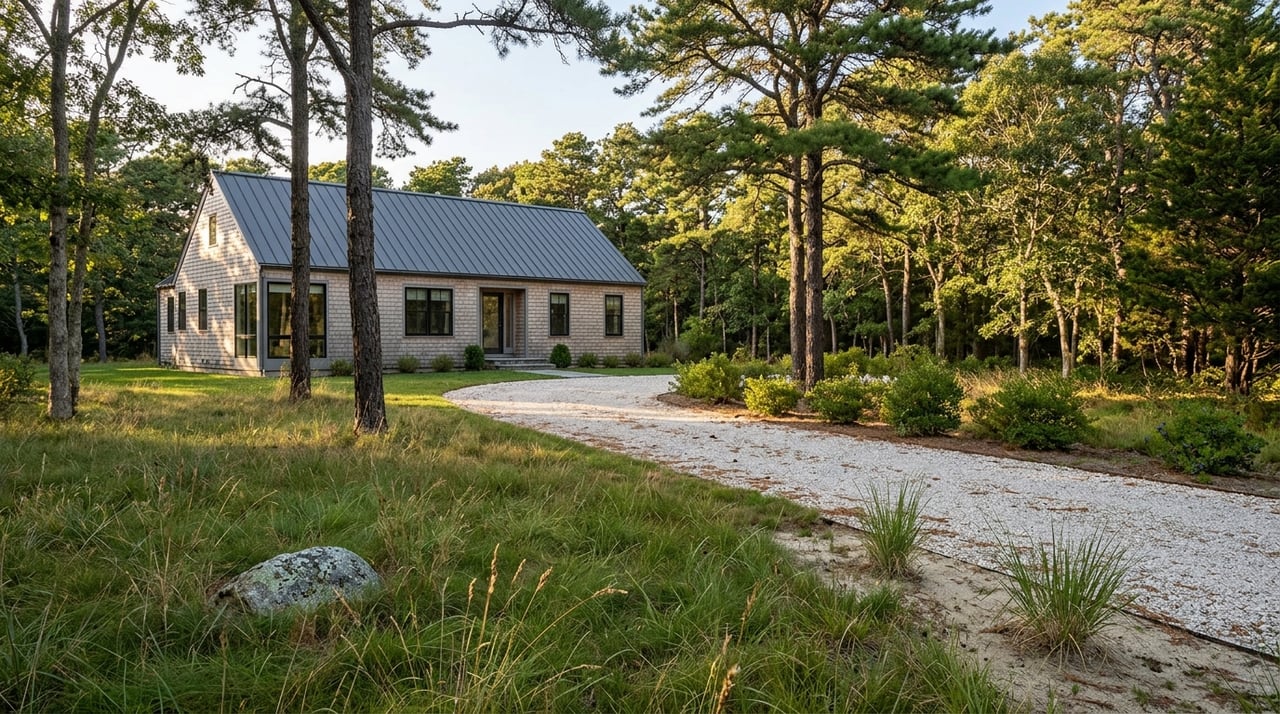
Chilmark’s site plan review tends to value rural character and visual quiet. You may be encouraged to retain mature trees, minimize clear-cutting, and preserve natural screening. This can help with privacy and reduces visual impact from public ways. It can also shape which view corridors are practical.
House-size caps
If local bylaws limit gross floor area, ridge height, lot coverage, or the size of accessory buildings, those caps will narrow what you can build even on a large lot. You may need to break up massing, step rooflines, or reduce footprint to meet the town’s character goals.
Who sets the rules
Several boards and regulations work together to guide what gets built and where. Understanding who does what helps you plan the right sequence.
Town zoning and boards
The Town of Chilmark Zoning Bylaw and zoning map define minimum lot sizes, setbacks, height limits, and use rules. The Planning Board, Building Inspector, and Zoning Board of Appeals review applications, site plans, special permits, and variances. Their role is to apply the bylaw and any siting guidelines to your specific plan.
Health rules and Title 5
The Dukes County or Chilmark Board of Health enforces septic and well regulations. Massachusetts Title 5, known as 310 CMR 15.000, sets standards for septic system siting and sizing, including the need for suitable soils and a reserve area. These rules can be more limiting than zoning setbacks and often decide where the home can sit.
Regional and environmental review
The Martha’s Vineyard Commission may review certain larger or regionally significant projects. The Conservation Commission and, where relevant, Historic District or Natural Heritage programs can influence work near wetlands, dunes, sensitive habitats, or archaeological resources. These reviews help protect natural and cultural assets and may affect siting, clearing, and design details.
Privacy, views, and value
Chilmark’s 3-acre baseline usually means more space between homes and fewer structures in view. That said, privacy and views still depend on site-by-site decisions.
Privacy reality check
A larger lot gives you room to separate living spaces from neighbors, but it does not guarantee seclusion. On a ridge or open field, houses can be visible at a distance. Orientation, window placement, and vegetation often make the biggest difference.
View potential
Chilmark’s open landscapes and coastal topography can offer distant water or field views. Capturing a view may require careful siting and selective clearing. Town review often prefers a light-touch approach, which can preserve both privacy and the island’s look and feel.
Long-term value drivers
Large-lot zoning tends to limit density and protect character, which supports scarcity value. Thoughtful siting, low visual impact, and compliance with house-size and clearing rules all help protect value over time. Conversely, steep slopes, ledge, or strict siting constraints can increase costs and limit expansion plans, which may affect pricing and resale expectations.
Three real-world scenarios
Use these simple patterns to picture common tradeoffs on 3-acre parcels.
Coastal lot with wetland buffer
- Much of the parcel may be inside buffer zones, which greatly narrows the buildable area.
- The septic system and reserve area need suitable upland soils, often pushing the house closer to the road or to a narrow upland shelf.
- View corridors may be possible with selective, reviewed clearing, but retained vegetation helps reduce visual impact.
Upland sloping lot
- A mid-slope house can capture distant views while staying screened by existing trees.
- Slopes and ledge can raise foundation and driveway costs and can influence where the septic goes.
- Drainage design matters, and siting often balances views with minimal topography disturbance.
Lot with good soils and close neighbors
- Even with good soils, privacy depends on orientation and landscape buffers.
- The town will likely encourage preserving native vegetation between homes.
- Window placement and outdoor-living areas can be planned to avoid face-to-face exposure.
Chilmark vs. West Tisbury
Both towns offer natural beauty, but the experience often feels different.
- Density and feel: Chilmark’s widespread 3-acre tradition in applicable zones delivers an open, rural landscape with larger parcels. West Tisbury includes areas with smaller minimum lots and more wooded upland, which can feel denser in places.
- Views: Chilmark’s open fields and coastal hills often allow broader water and meadow views. West Tisbury frequently offers private, tree-framed vistas and a woodland aesthetic.
- Privacy: Both can deliver privacy. Chilmark’s baseline spacing makes close side-yard situations less common, while some West Tisbury neighborhoods have more intimate patterns.
- Development flexibility: Chilmark’s minimum lot size preserves character but limits subdivision potential. West Tisbury may offer more flexibility in some zones or through specific planning tools. Always verify the bylaw for the exact district.
- Costs: Chilmark’s open ridge or coastal parcels can command higher per-acre prices due to view and scarcity. Across both towns, septic and well conditions often drive site costs.
Buyer and owner checklist
Use this checklist to evaluate parcels or plan improvements.
- Zoning verification: Confirm the zoning district and read the current Chilmark Zoning Bylaw for minimum lot size, setbacks, height, lot coverage, accessory rules, and any house-size limits.
- Zoning map: Check whether the 3-acre minimum applies to your specific parcel.
- Survey and constraints: Obtain a recent survey that shows boundaries, wetlands, rights-of-way, and any recorded restrictions.
- Soil testing: Request existing perc tests or schedule new tests early. Soil results drive septic feasibility and cost.
- Septic and Title 5: Review Board of Health rules and Title 5 requirements, including the need for a reserve area. Consult a local engineer for upgrade paths.
- Well feasibility: Confirm separation distances from septic and test for yield and water quality if needed.
- Topography and ledge: Get a topographic plan and cost feedback for excavation and foundations.
- Conservation and historic: Check wetlands and sensitive resource maps and ask about any special reviews.
- Prior approvals: Request copies of any past site plans, variances, or enforcement letters.
- Pre-application guidance: Speak with the Planning Board or Building Inspector early about siting and vegetation expectations.
- Neighborhood context: Study sight lines from public ways and adjacent parcels to gauge privacy and future build-out.
- Fit test: Overlay a rough plan against setbacks, septic, and guidelines before you commit to a design or purchase.
- Timeline: Map out expected steps and lead times so that engineering, reviews, and building permits flow in order.
Permitting path at a glance
These are the typical checkpoints many projects follow.
- Optional pre-application meeting with the Planning Board or Building Inspector.
- Soil testing and a topographic survey to inform septic and siting.
- Application to the Board of Health for septic design approval in line with Title 5.
- Site plan submission to the Planning Board if required, including siting and landscape details.
- Building permit application after necessary approvals.
- Zoning Board of Appeals hearings if you need a variance or special permit.
Timelines vary by application completeness, complexity, and meeting schedules. Neighbors’ input can also influence review timing.
Tips for design-forward outcomes
- Start with the septic and well. Place them where they work best, then design the home to align with that envelope.
- Use massing and rooflines to reduce visual scale. If house-size limits apply, good massing can still deliver generous, livable space.
- Preserve mature trees and native buffers. Strategic clearing can open a view without exposing you to public ways or neighbors.
- Orient outdoor spaces for privacy. Patios and pools feel more secluded when screened by grade changes or existing vegetation.
- Assemble the right team early. A Vineyard-savvy engineer, surveyor, architect, and builder will anticipate local expectations.
Closing thoughts
In Chilmark, three acres is a starting point, not a promise. Real value comes from how you fit the home, septic, and landscape together within the town’s bylaw and siting guidance. When you plan with the rules in mind, you protect privacy, capture the right views, and support long-term resale.
If you are comparing Chilmark and West Tisbury or planning a new build or addition, we can help you align design intent with local feasibility and value. For discreet, design-forward guidance, connect with Studio Realty LLC. Request a private consultation.
FAQs
What does Chilmark’s 3-acre zoning mean for a buyer?
- It sets a minimum parcel size where it applies, but actual buildable area depends on setbacks, septic and well needs, wetlands, topography, and any house-size or coverage limits.
How do house-size bylaws affect my design in Chilmark?
- They can cap gross floor area or building coverage and may influence height and massing, which can require smaller footprints, stepped roofs, or reduced visual scale.
Why are septic and Title 5 rules so important in Chilmark?
- Soil and groundwater conditions control where a compliant septic and its reserve area can go, which often dictates the home’s siting and layout on the lot.
Can I open a view by clearing trees on a 3-acre lot?
- Selective clearing may be possible, but town review often favors retaining screening vegetation and minimizing visual impact from public ways and neighbors.
What should I verify when comparing Chilmark to West Tisbury?
- Check each parcel’s zoning district, lot-size rules, setbacks, house-size limits, soils, prior approvals, and any conservation restrictions before deciding.
How long does the Chilmark permitting process take?
- Timing varies by project complexity and board schedules; plan for soil tests, Board of Health review, site plan review if required, and then building permits, with extra time if variances are needed.