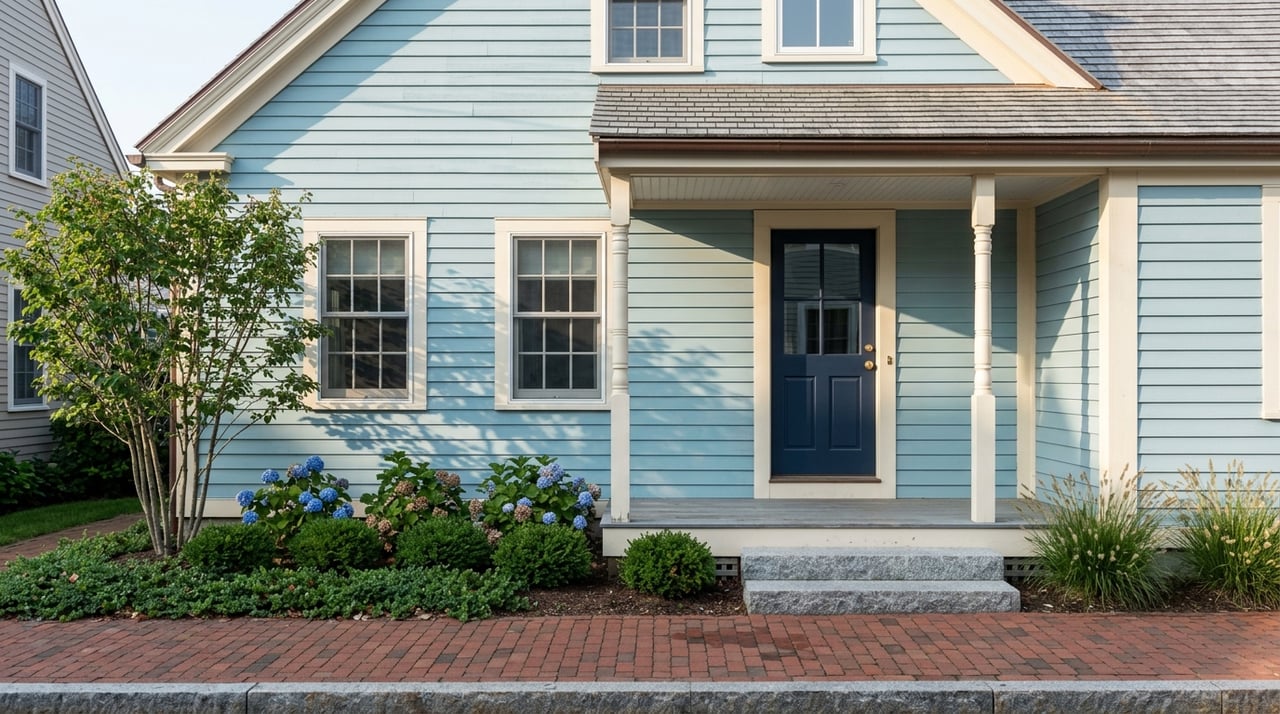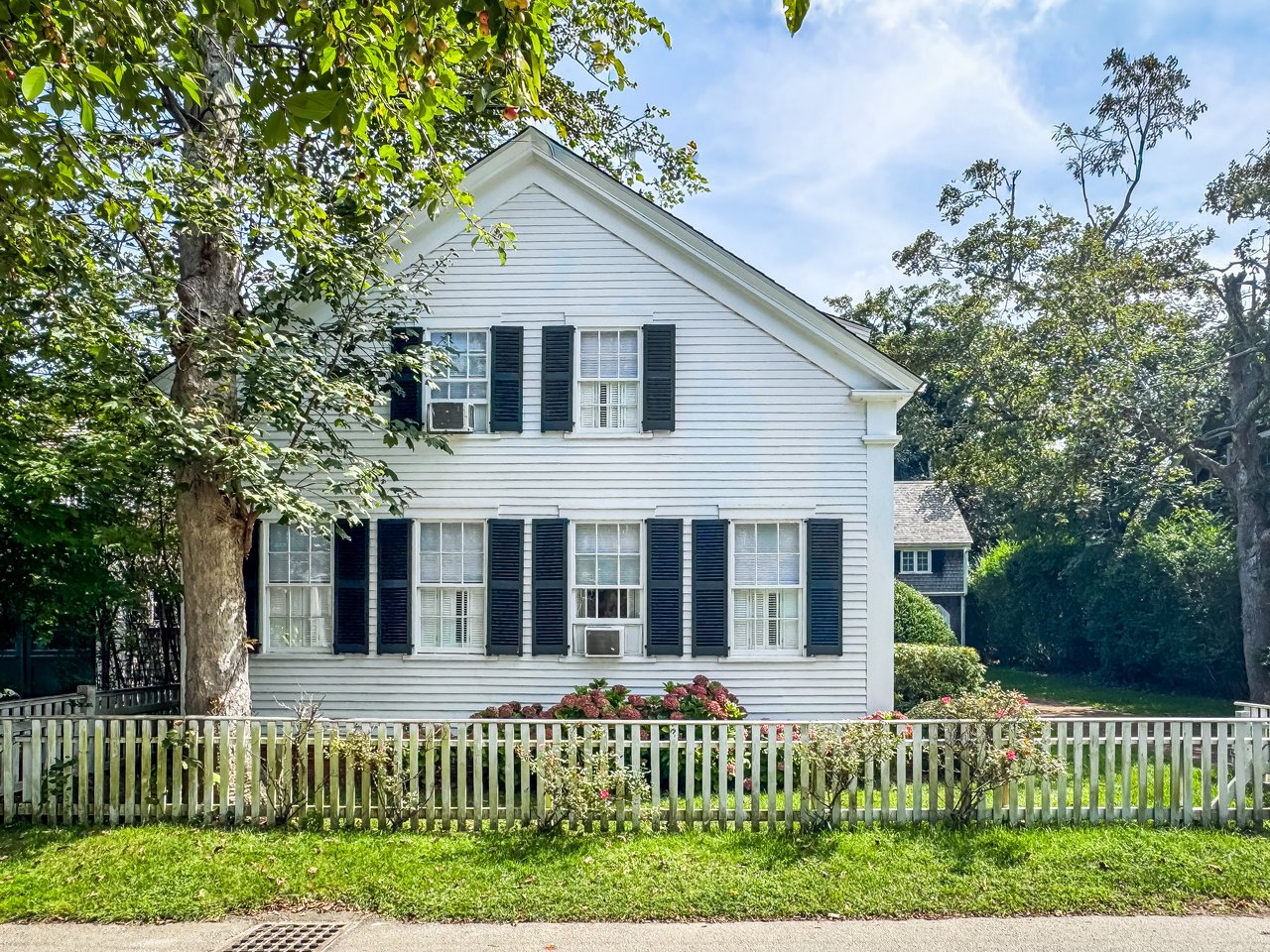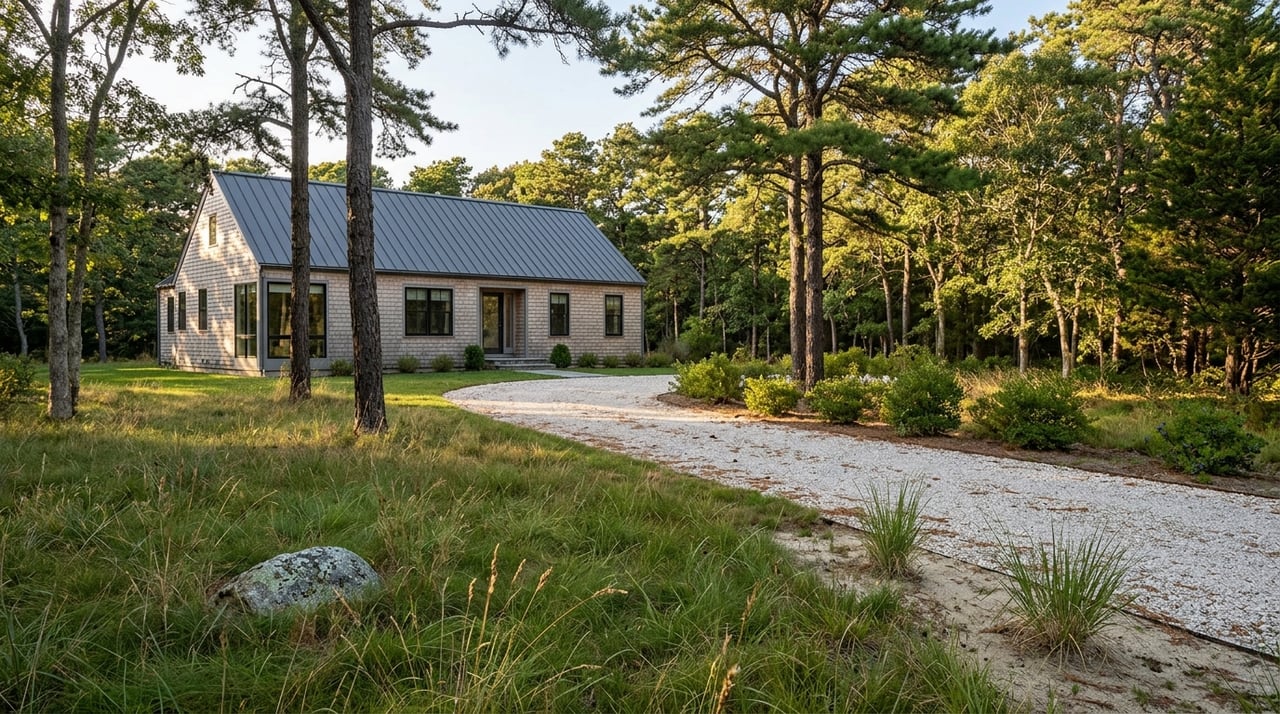
Buying land in West Tisbury can feel simple at first glance. A parcel may look generous on paper, the setting may be beautiful, and the listing photos may suggest endless possibilities. But in this part of Martha’s Vineyard, the real question is not just how much land you are buying. It is how the land can be used, how a home can sit on it, and how well your plans align with the town’s rural landscape priorities. If you are considering a land purchase here, a little early clarity can save you time and help you make a smarter decision. Let’s dive in.
West Tisbury land is landscape-first
West Tisbury’s land-use framework is built around preserving rural character, historic settlement patterns, and open space. The town’s zoning goals call for protecting farms, forests, wetlands, ponds, beaches, hilltops, and other open spaces rather than encouraging suburban-style buildout.
That matters because a parcel’s value is not defined by acreage alone. The Planning Board oversees subdivisions, Site Plan Review, and some special permits, so the practical buildability of a lot often depends on siting, environmental conditions, and how a proposal fits the land.
In the Rural district, the town’s intent is to maintain large expanses of open space, unspoiled road views, and clustered development surrounded by open land. If you are buying with a design vision in mind, that approach can be a real advantage, but it also means the site needs to be studied carefully.
Parcel location can matter as much as size
West Tisbury uses multiple overlay districts to protect sensitive resources. The zoning bylaw includes coastal, roads, special places, Greenlands water-resource protection, floodplain, and wild and scenic north shore overlays.
In practical terms, two parcels with similar acreage can offer very different building opportunities. A lot’s location within one or more overlay areas may affect where improvements can go, how the site is approached, and what parts of the land should remain untouched.
This is one reason buyers benefit from looking beyond a listing sheet. Before you make an offer, it helps to understand not only the parcel boundaries but also the constraints and priorities tied to that exact piece of land.
House siting starts with sun and exposure
If you are planning to build, orientation deserves early attention. U.S. Department of Energy guidance for passive solar design says windows should face within 30 degrees of true south and should not be shaded from 9 a.m. to 3 p.m. in winter. It also recommends minimizing east- and west-facing glass when possible.
On a West Tisbury parcel, that makes the tree line, building envelope, and driveway approach more important than they may first appear. A lot may be beautiful, but if the best home site lacks winter sun or forces awkward placement, the design process can become more complicated.
This is especially relevant in a town where open-space planning and visual impact are taken seriously. The best land purchases here often support both good light and a house placement that feels natural in the landscape.
Questions to ask about orientation
- Where is the strongest southern exposure on the parcel?
- Will mature trees block winter sunlight where the house would likely sit?
- Can you preserve important shade and privacy without losing light?
- Does the driveway approach support a natural house placement?
- Which views should remain open from primary rooms and outdoor spaces?
Open-space rules shape the design brief
West Tisbury’s zoning does more than regulate setbacks and dimensions. In Open Space Development, the bylaw says lots should be arranged to protect views of the ocean, scenic areas, farmland, wildlife habitat, large intact forest areas, hilltops, ponds, steep slopes, and trail corridors.
The bylaw also requires a minimum of 60% open space in those developments. That protected land may include wetlands, shore zone, and other unbuildable areas.
For you as a buyer, this means a site plan should be evaluated through a wider lens. You are not only asking where a house can fit. You are also asking how the layout respects scenic and environmental features that the town has already identified as worth protecting.
Wooded lots and fielded lots perform differently
West Tisbury offers both wooded parcels and more open fielded land, and each one creates a different design challenge. The right fit depends on how you want to live on the land and how much site work your vision may require.
A wooded lot usually offers privacy and a sense of shelter. The tradeoff is that the best building area may not be obvious until you study sun angles, drainage, and tree cover.
A fielded lot usually offers light and long views. The tradeoff is greater exposure to wind and a stronger need to place the house so it feels integrated with the setting rather than overly prominent.
Wooded vs. fielded lots
| Lot type | Common strengths | Common planning questions |
|---|---|---|
| Wooded lot | Privacy, shade, sense of enclosure | Can you keep enough canopy while still getting winter sun? |
| Fielded lot | Light, open views, clearer sight lines | How do you preserve views and keep the house visually grounded? |
West Tisbury’s zoning language supports this landscape-first mindset. The town’s residential building size bylaw also shows that house scale, proportion, and visual impact are part of the planning conversation, not just square footage.
Conservation land can add value to daily life
For many buyers, one of West Tisbury’s biggest advantages is its strong network of public trails and conserved land. The town’s conservation and recreation resources point residents and visitors toward island conservation destinations, and the Martha’s Vineyard Land Bank identifies TrailsMV as the official guide to public trails on the island.
That means proximity to protected land can be a meaningful part of your ownership experience. It can shape how you spend mornings, where you walk, bike access, and the overall sense of openness around a property.
Still, nearby conservation land should be understood as a lifestyle feature, not an automatic extension of your lot. Access rules, parking, seasonal systems, and property-specific limitations can all shape how that amenity works in practice.
Notable West Tisbury access points
- Manuel F. Correllus State Forest spans more than 5,300 acres and includes miles of trails, a paved shared-use path, and free parking off Barnes Road, West Tisbury Road, and Old County Road.
- Long Point Wildlife Refuge covers 632 acres and includes beach, trail, pond, and grassland habitat. Advanced daily passes are required in summer, and pets are not permitted year-round.
- Lambert’s Cove Beach uses a seasonal sticker or pass system. Renters need proof of lease for stickers, and a valid sticker is required to park in the lot or on the street during beach hours.
- Nat’s Farm includes a walking and equestrian trail around the north pasture and links to the adjacent State Forest bike paths.
- Short Cove Preserve offers universal access along Tisbury Great Pond.
Beach and trail access is not always simple
One common mistake buyers make is assuming that being near a conservation area or beach road means easy, unrestricted use. In West Tisbury, access can depend on seasonal passes, parking rules, or advance reservations.
That does not reduce the appeal of these places. It simply means that part of due diligence is understanding the difference between scenic proximity and practical access.
If a parcel is being marketed around nearby recreation, it is worth confirming how that amenity works day to day. In some cases, the better value is the preserved setting itself, not direct use from the property line.
Ask pre-offer questions before you focus on aesthetics
West Tisbury land tends to reward buyers who ask practical questions early. A beautiful setting can still come with a tight or awkward building envelope once wetlands, slopes, access, and open-space priorities are considered.
The town’s bylaw notes that in Open Space Development, minimum lot size is driven by the Board of Health’s needs for sewage disposal and protection of water supply. That is a strong reminder that visual appeal and buildability are not the same thing.
Before you move forward, try to understand how the major components of a future home would actually fit on the land.
Pre-offer questions worth asking
- Where can the house, well, septic, driveway, and parking realistically go?
- How much of the parcel is truly buildable once site constraints are considered?
- Which parts of the lot should remain wooded, open, or screened?
- Are there slopes, wetlands, or protected corridors that could narrow the building envelope?
- Will the design need to stay compact to fit the site gracefully?
- Does the parcel support the light, privacy, and outdoor living you want across seasons?
The best West Tisbury land buys balance restraint and possibility
The strongest land purchases in West Tisbury usually balance three things well: sunlight, view protection, and a site plan that respects the rural character of the town. Whether the parcel is wooded or fielded, the most successful outcome is often a house that responds to the land rather than trying to overpower it.
That is also where a design-aware buying approach can make a real difference. A parcel may not need to be the biggest or most dramatic to be the right one. It needs to support thoughtful siting, practical infrastructure, and a long-term vision that fits West Tisbury’s landscape.
If you are weighing land opportunities in West Tisbury and want a more informed, design-conscious perspective, Studio Realty LLC can help you evaluate how a parcel may live, build, and hold value over time.
FAQs
What should you know about zoning before buying land in West Tisbury?
- West Tisbury’s zoning framework emphasizes rural character, open space, scenic protection, and careful site planning, so buildability depends on more than acreage alone.
How do overlay districts affect land in West Tisbury?
- Overlay districts such as coastal, floodplain, roads, special places, Greenlands water-resource protection, and wild and scenic north shore can affect how a parcel may be used and where improvements may be placed.
Why does house orientation matter on a West Tisbury land purchase?
- Orientation affects winter sunlight, energy performance, interior light, and how naturally a house can sit on the parcel, especially on wooded land.
What is the difference between wooded and fielded lots in West Tisbury?
- Wooded lots often offer more privacy and shelter, while fielded lots often offer more light and longer views, but each requires a different approach to house siting and landscape impact.
Does nearby conservation land guarantee easy access in West Tisbury?
- No, nearby conservation land may be a valuable amenity, but access can depend on passes, parking rules, seasonal systems, or property-specific restrictions.
What should you check before making an offer on land in West Tisbury?
- You should identify where the house, septic, well, driveway, and parking could fit, and assess how wetlands, slope, open-space priorities, and other constraints affect the usable building area.