What draws so many people to Katama is not just the beach. It is the rhythm of the place. In this part of Edgartown, your day can start on a bike path, stretch into an afternoon by the ocean, and end with dinner back in the village. If you are trying to picture what life here really feels like, this guide will help you understand the setting, the contrast with in-town Edgartown, and the practical details that shape everyday life. Let’s dive in.
Katama Starts With the Landscape
Katama sits in the southern part of Edgartown, centered around South Beach, Katama Bay, and the broad plains south of the village. Officially, part of the area is governed by the Katama Airfield and Conservation Area District, which was created to preserve the remaining Katama Great Plains, rare wildlife, open vistas, and open sandplain grasslands.
That framework helps explain why Katama often feels landscape-first rather than village-first. The open sky, low profile, and broad views are not accidental. They are part of how the area is meant to be experienced and protected.
Katama Airfield adds to that sense of openness. Because the town operates the airfield here, the area reads as more than a beach district. It feels like a larger coastal landscape system, shaped by dunes, plains, bay edges, and long open approaches.
A Day That Flows Naturally
One of the easiest ways to imagine life in Katama is to think about how a day unfolds. This is a place where simple routines feel unusually scenic and easy. You are never far from the next shift in the day.
Bike Out to the Beach
The ride from Edgartown to South Beach is about three miles, according to the Martha’s Vineyard Commission bicycling guide. It is generally flat and pleasant, which makes it an easy outing for many riders. The guide also notes bike racks on both Katama Road and Herring Creek Road.
That matters because it makes the beach day feel less car-centered. If you like the idea of moving through town and out toward the shore at a slower pace, Katama supports that kind of living well.
Spend the Afternoon at South Beach
South Beach and Bend in the Road Beach are open to the public, according to the Edgartown Parks Department. The beach experience here is beautiful, but it is also seasonal and shaped by changing conditions. Parking restrictions can change from day to day, and shoreline conditions can shift with erosion and maintenance.
The town currently notes that the right fork via Herring Creek Road has more parking and more usable beach area. The Katama Road fork has more limited parking and beach area because of erosion. The town also asks visitors to stay on fenced paths and keep off the dunes, especially after storm recovery and replanting work.
A few beach rules are worth knowing if you are picturing regular summer use. Dogs are not allowed, and alcohol, open fires, amplified music, tents, and wedding setups are prohibited. These details help preserve the shoreline and keep the beach manageable during the busy season.
Return to the Village for Evening
By evening, the mood shifts. After the openness of Katama, Edgartown village feels compact, historic, and walkable. Visit Edgartown describes a dining scene that ranges from oyster bars and high-end restaurants to coffee shops, bakeries, diners, bistros, fresh fish spots, and ocean-view settings.
The town describes Edgartown itself as a preserved early-19th-century seaport community with a harbor waterfront, captains’ houses, and a historic streetscape. That contrast is a big part of Katama’s appeal. You get the breathing room of the coast with the convenience and atmosphere of the village close by.
Katama vs. In-Town Edgartown
If you are comparing areas, the biggest difference is not simply beach versus town. It is the way each place is shaped by its rules, history, and physical setting.
Village Edgartown Feels Historic
Edgartown’s Historic District Guidelines explain that the district was established in 1987 and expanded in 2016. The district covers many architectural eras and requires review and certificates for visible exterior changes, with a preference for natural materials.
In practical terms, that helps explain why the village feels so visually cohesive. The historic core is carefully maintained, and visible changes are reviewed through that lens. When you walk in town, that structure is part of what gives the area its preserved and curated feel.
Katama Feels More Open
Katama is different. Because of the conservation-oriented district and the area’s open plains and coastal setting, it often reads as more open and less historically constrained than the village core.
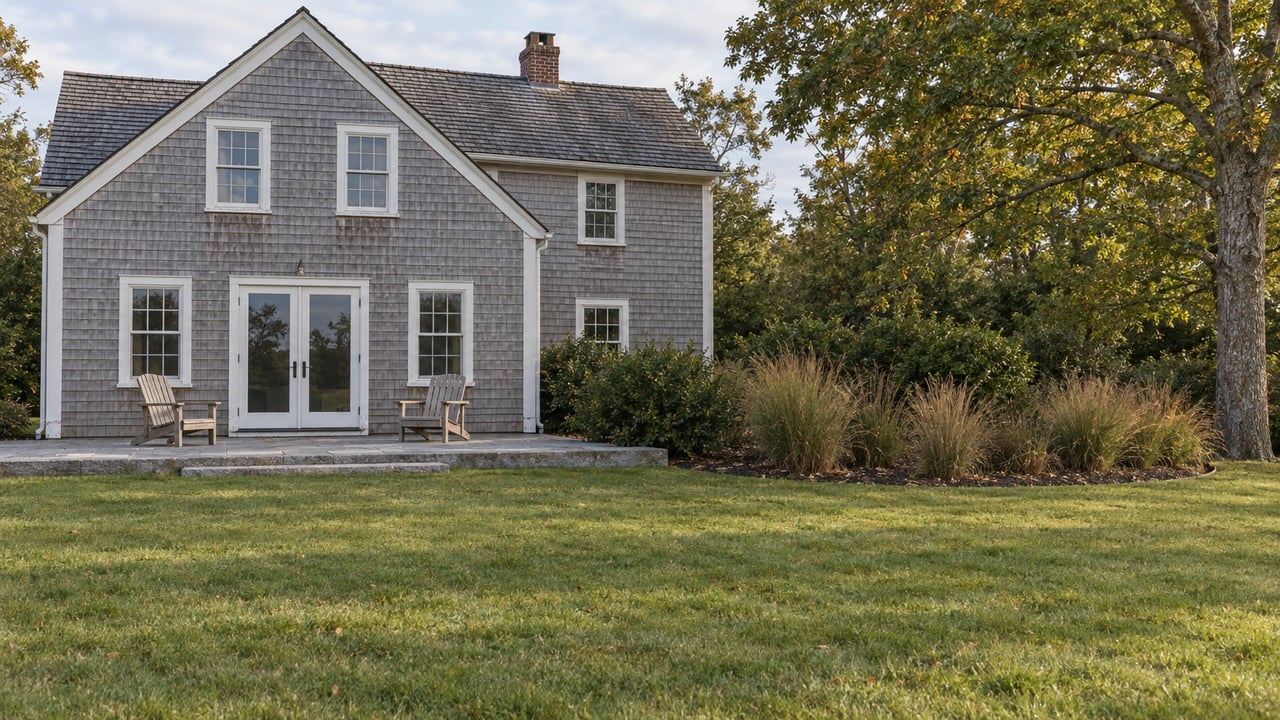
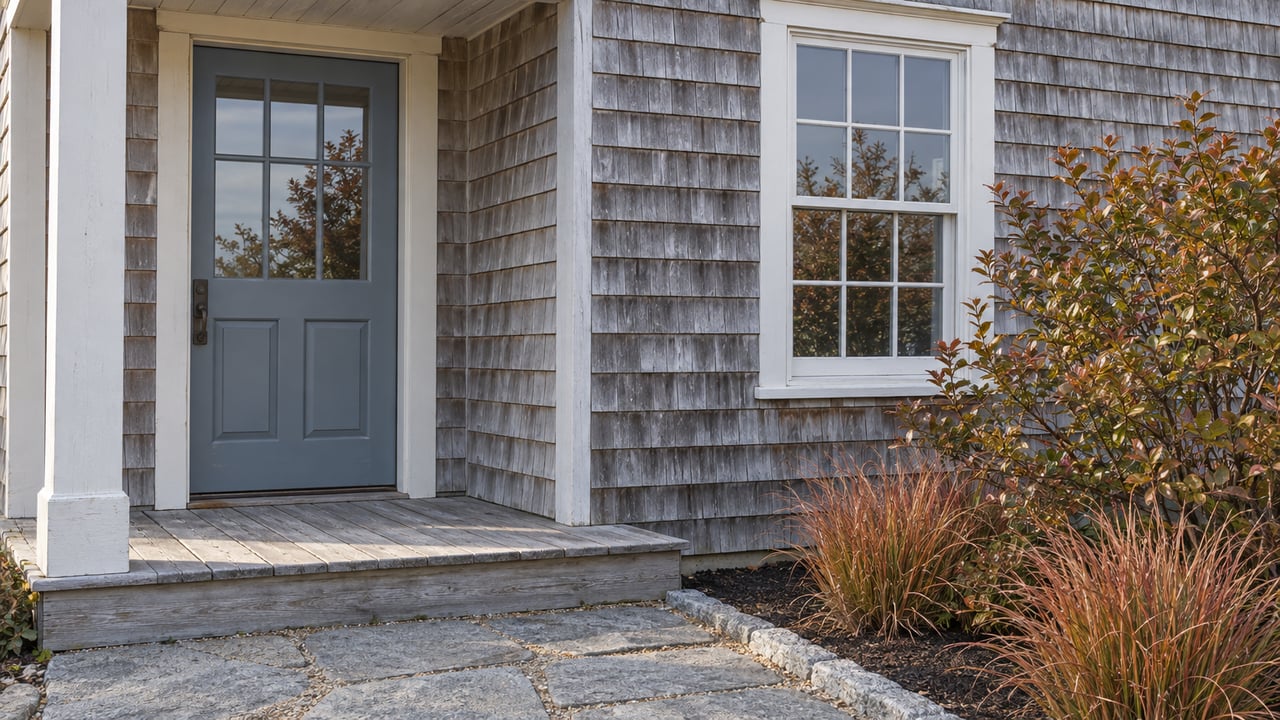
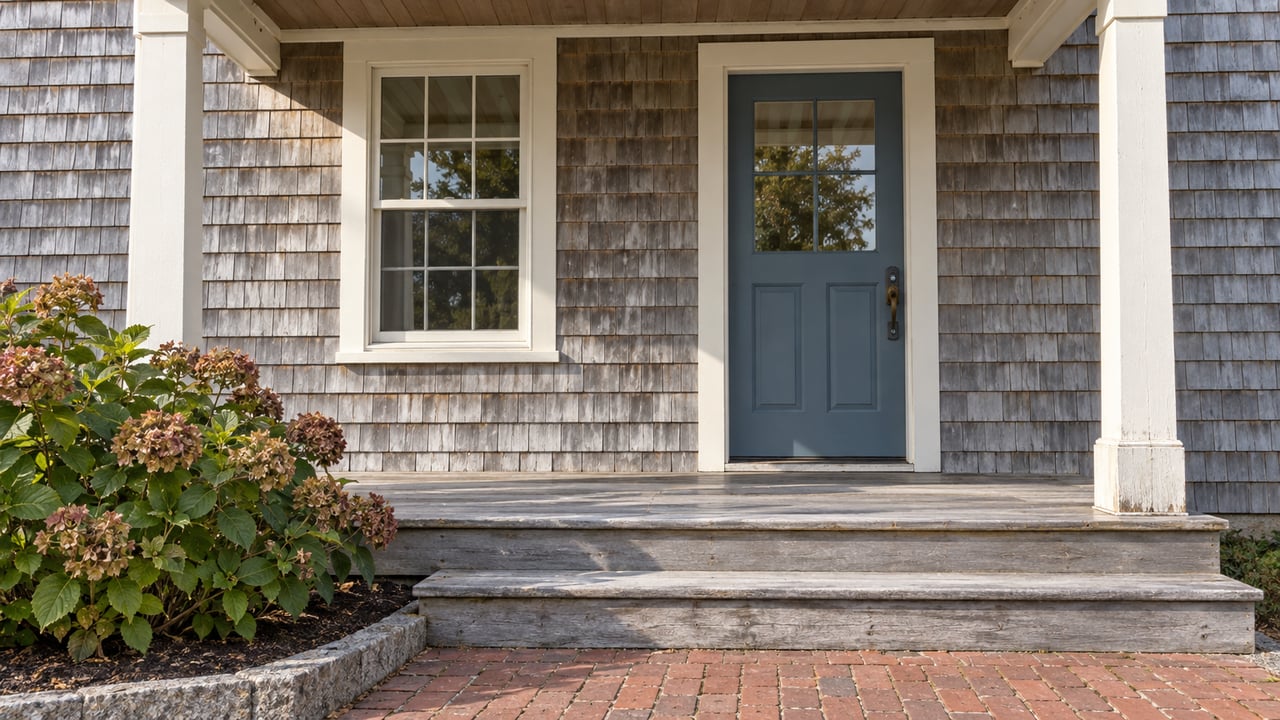
That does not mean every home in Katama is new or contemporary. A more accurate way to think about it is this: Katama often feels more connected to land, sky, and shoreline, while in-town Edgartown feels more connected to historic streetscape and architectural continuity.
What Daily Life Can Feel Like
For many buyers, Katama is compelling because it offers both movement and calm. You can spend the morning biking, the afternoon near the water, and the evening in the village without feeling like you are managing a complicated schedule.
The setting also supports a lower-profile kind of luxury. Instead of feeling defined by density or activity, Katama is defined by space, dunes, grasslands, and the long visual lines that come with protected open land. That makes the experience feel relaxed, understated, and very specific to this part of Edgartown.
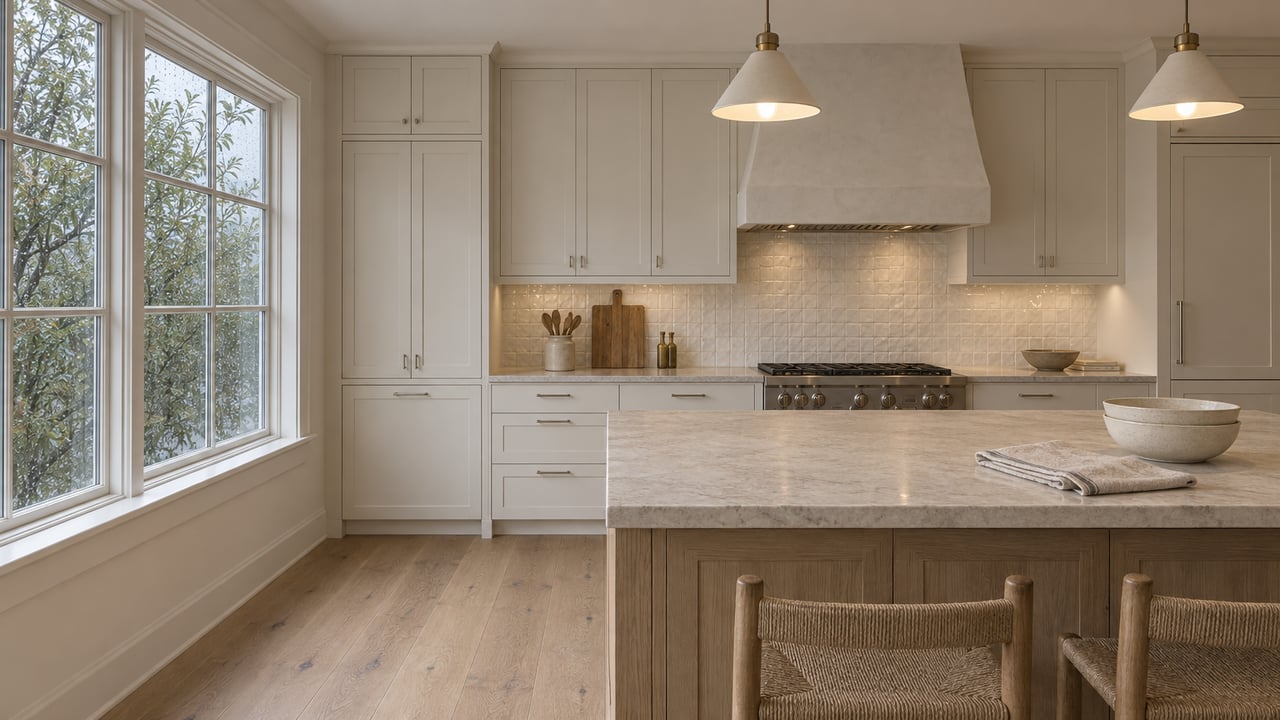
If you are design-minded, this distinction matters. In Katama, the landscape does a great deal of the work. The setting creates the tone first, and the built environment sits within it rather than competing with it.
Practical Details to Keep in Mind
Katama is easy to romanticize, but the details matter if you are trying to understand the area clearly. A few points are especially worth keeping in view.
Beach Access Changes With Conditions
South Beach is public, but access and parking are not static. The town is clear that rules, usable beach area, and parking conditions can change with erosion, maintenance, and seasonal demand.
That means the best local understanding of beach use is always a current one. If beach access is central to your plans, it helps to think in terms of seasonality and day-to-day conditions rather than fixed assumptions.
The Area Is Shaped by Stewardship
Katama’s character comes from preservation as much as proximity. The conservation district exists to protect open land, habitat, vistas, and the airfield setting. That is a major reason the area feels so distinct.
This broader theme of stewardship is part of the Edgartown story as a whole. The town’s Affordable Housing Committee has also stated that Edgartown is working to create affordable and attainable homes because high real estate costs make year-round housing difficult. Even in a lifestyle-driven area, local land use and housing policy remain part of the bigger picture.
Why Katama Continues to Stand Out
Some places are memorable because they are busy. Katama stands out for the opposite reason. It offers room to breathe, easy access to shoreline and village life, and a setting that feels intentionally preserved.
That combination is hard to replicate. You are close to one of Edgartown’s best-known public beaches, yet still connected to a historic village with a strong sense of place. For buyers and owners who value both coastal ease and long-term stewardship, Katama holds a rare position within the Martha’s Vineyard landscape.
If you are considering a home, land opportunity, or a property with seasonal potential in this part of Edgartown, local guidance matters. To talk through Katama with a design-aware, island-based perspective, Studio Realty LLC can help you evaluate what fits your goals.
FAQs
How far is South Beach from Edgartown village?
- The Martha’s Vineyard Commission bicycling guide says the ride from Edgartown to South Beach is about three miles.
Can you bike easily from Edgartown to South Beach?
- Yes. The official bike guide describes the route as generally flat and pleasant, with bike racks on Katama Road and Herring Creek Road.
Is South Beach in Edgartown open to the public?
- Yes. The Edgartown Parks Department says South Beach and Bend in the Road Beach are open to the public, though parking and conditions can change.
What makes Katama different from in-town Edgartown?
- Katama is more landscape-led, with open plains, beach access, and conservation-focused land use, while in-town Edgartown is shaped by a historic district with exterior design review.
Are beach rules at South Beach important to know before visiting?
- Yes. The town says parking restrictions can vary, dogs are not allowed, and alcohol, open fires, amplified music, tents, and wedding setups are prohibited.
Does Katama always feel more contemporary than the village?
- It often feels more open and less historically constrained than the village, but it would be too broad to say that every home in Katama is contemporary.